Holly: The Festive Christmas Plant with a Rich History and Meaning
Related Articles: Holly: The Festive Christmas Plant with a Rich History and Meaning
- Christmas Pictures, Images, And Clip Art For 2024
- Celebrate The Merriest Time Of The Year At Our Grand Christmas Party 2024!
- Christmas Party Announcement Sample 2024
- Christmas Pictures Photos 2024: Capture The Magic Of The Festive Season
- Christmas Party RSVP 2024
Introduction
With enthusiasm, let’s navigate through the intriguing topic related to Holly: The Festive Christmas Plant with a Rich History and Meaning. Let’s weave interesting information and offer fresh perspectives to the readers.
Table of Content
Video about Holly: The Festive Christmas Plant with a Rich History and Meaning
Holly: The Festive Christmas Plant with a Rich History and Meaning
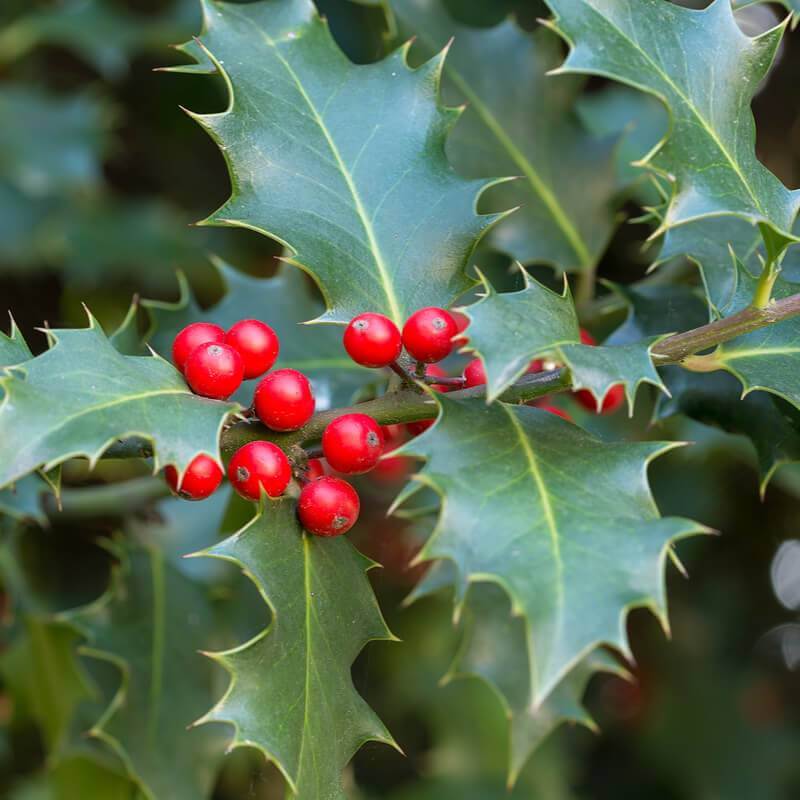
As the holiday season approaches, homes and streets alike are adorned with festive decorations, one of the most prominent being the iconic holly plant. With its glossy green leaves and vibrant red berries, holly has become synonymous with Christmas celebrations worldwide. But beyond its ornamental appeal, holly holds a wealth of history, symbolism, and cultural significance that adds depth to its festive charm.
Botanical Origins and Characteristics
Holly, scientifically known as Ilex, is a genus of over 400 species of evergreen trees and shrubs native to temperate regions of North America, Europe, and Asia. The species commonly associated with Christmas is Ilex aquifolium, or common holly, which is native to Europe and western Asia. Holly plants are typically characterized by their:
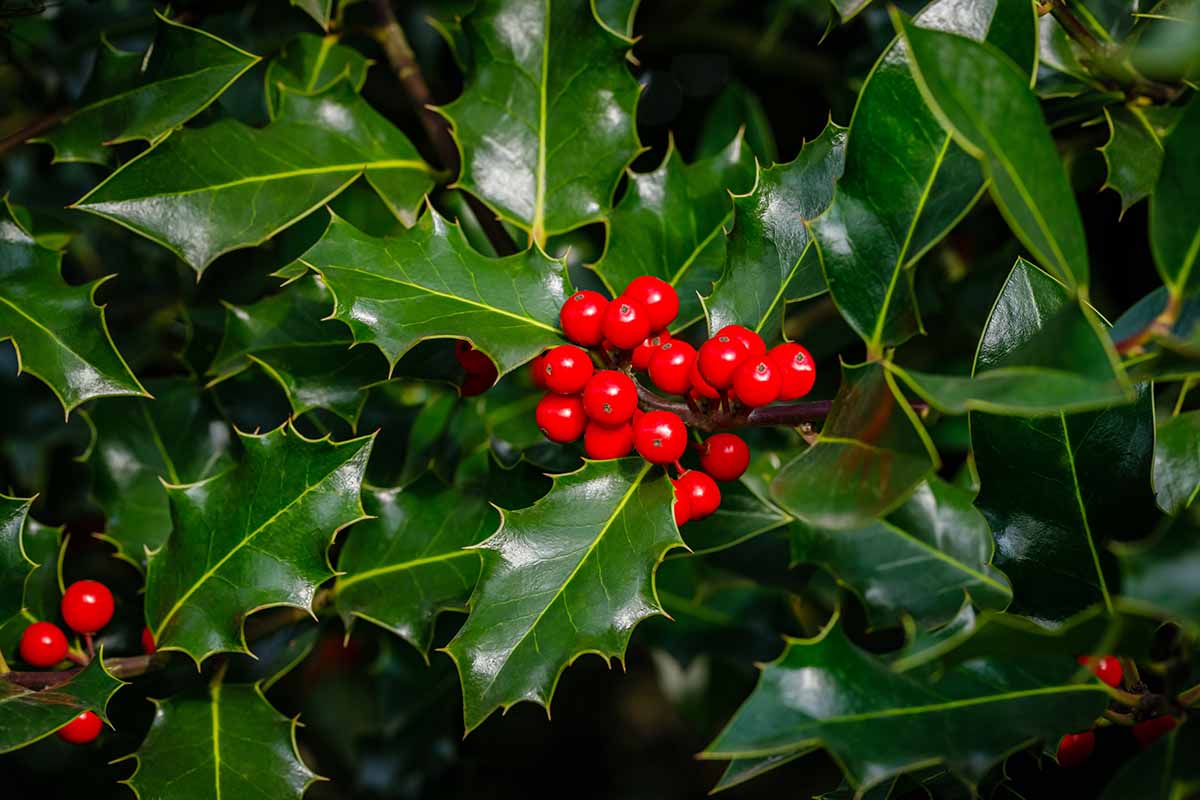
- Glossy, dark green leaves with spiny or serrated edges
- Small, white or cream-colored flowers that bloom in spring
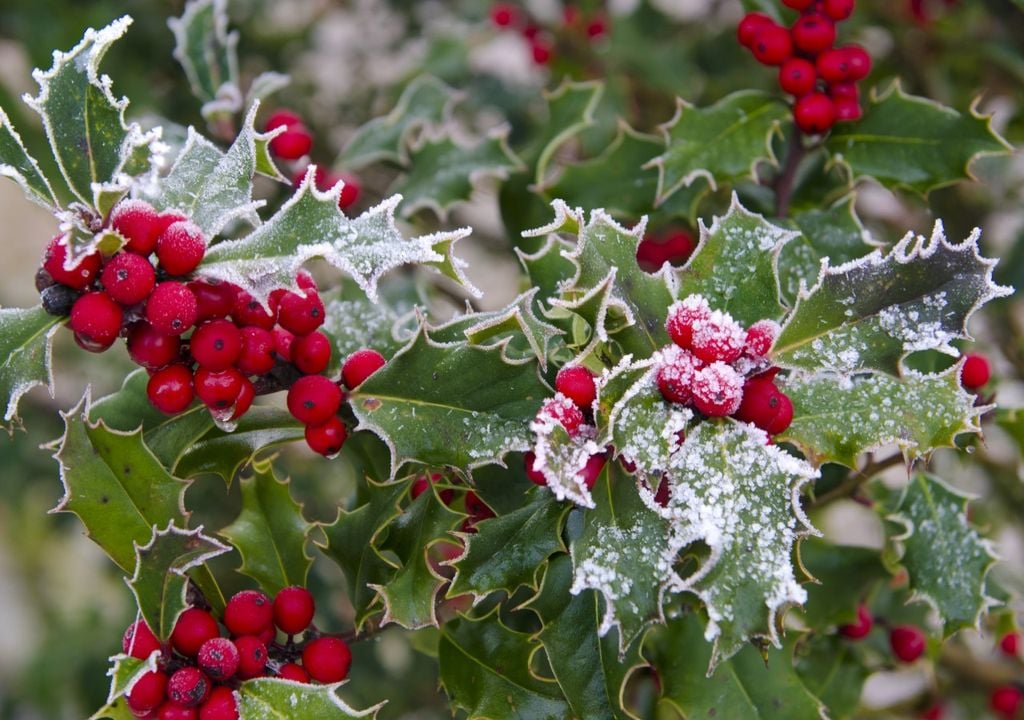
- Bright red berries that ripen in autumn and persist throughout winter
Historical and Cultural Significance
Holly has been revered for centuries for its symbolism and medicinal properties. In ancient Celtic cultures, holly was considered a sacred plant associated with the winter solstice and the return of the sun. The Celts believed that hanging holly in their homes would protect them from evil spirits and bring good fortune.
During the Middle Ages, holly became associated with Christianity and was often used to decorate churches and homes during the Christmas season. The plant’s evergreen nature symbolized eternal life, while its red berries represented the blood of Christ. Holly wreaths were also believed to ward off witches and protect against harm.
In Victorian England, holly became a popular Christmas decoration, and its popularity spread to other parts of the world. Today, holly is an indispensable part of Christmas traditions in many cultures, symbolizing joy, peace, and goodwill.
Symbolism and Folklore
Holly has been imbued with a rich tapestry of symbolism and folklore throughout history. In many cultures, holly is associated with:
- Protection: Its spiny leaves were believed to ward off evil spirits and bring good luck.
- Everlasting life: Its evergreen nature symbolized eternal life and the triumph of good over evil.
- Fertility: Its bright red berries were seen as symbols of fertility and abundance.
- Love and marriage: Holly wreaths were often used in wedding ceremonies to symbolize unity and happiness.
Culinary and Medicinal Uses
In addition to its ornamental and symbolic value, holly has also been used for culinary and medicinal purposes. The leaves and berries of some holly species have been traditionally used to:
- Make tea: Holly leaves can be steeped in hot water to create a tea that is said to have diuretic and anti-inflammatory properties.
- Prepare ointments: Holly berries have been used to make ointments for treating skin conditions such as eczema and psoriasis.
- Extract caffeine: The leaves of some holly species contain caffeine, which can be used to make tea or coffee.
Cultivation and Care
Holly plants are relatively easy to grow and can thrive in a variety of soil types and light conditions. However, they prefer well-drained soil and partial shade to full sun. To care for holly plants:
- Water regularly: Water holly plants deeply and regularly, especially during dry spells.
- Fertilize: Fertilize holly plants in early spring with a balanced fertilizer.
- Prune: Prune holly plants as needed to maintain their desired shape and size.
- Protect from pests and diseases: Holly plants are susceptible to a few pests and diseases, such as holly leaf miner and holly berry disease. Regular inspection and proper care can help prevent these problems.
Conclusion
Holly, with its vibrant greenery and festive red berries, has become an iconic symbol of Christmas celebrations around the world. Its rich history, symbolism, and cultural significance add depth and meaning to its ornamental appeal. Whether used to decorate homes, churches, or public spaces, holly serves as a reminder of the joy, peace, and goodwill that the holiday season brings. As we celebrate Christmas 2024, let us appreciate the beauty and symbolism of this timeless festive plant, and may it continue to bring happiness and good fortune to all who encounter it.






Closure
Thus, we hope this article has provided valuable insights into Holly: The Festive Christmas Plant with a Rich History and Meaning. We thank you for taking the time to read this article. See you in our next article!