Christmas Plants Toxic to Cats: A Comprehensive Guide for 2024
Related Articles: Christmas Plants Toxic to Cats: A Comprehensive Guide for 2024
- Christmas Plant SVG 2024: Festive Designs For The Holiday Season
- Christmas Pictures JPEG 2024: Capture The Magic Of The Holiday Season
- Christmas Pictures That You Can Draw 2024: A Comprehensive Guide To Capturing The Holiday Spirit
- Christmas Pictures Email 2024: Capture The Magic Of The Season
- Christmas Pictures Free Clip Art 2024: A Festive Collection For Your Holiday Creations
Introduction
With great pleasure, we will explore the intriguing topic related to Christmas Plants Toxic to Cats: A Comprehensive Guide for 2024. Let’s weave interesting information and offer fresh perspectives to the readers.
Table of Content
Video about Christmas Plants Toxic to Cats: A Comprehensive Guide for 2024
Christmas Plants Toxic to Cats: A Comprehensive Guide for 2024
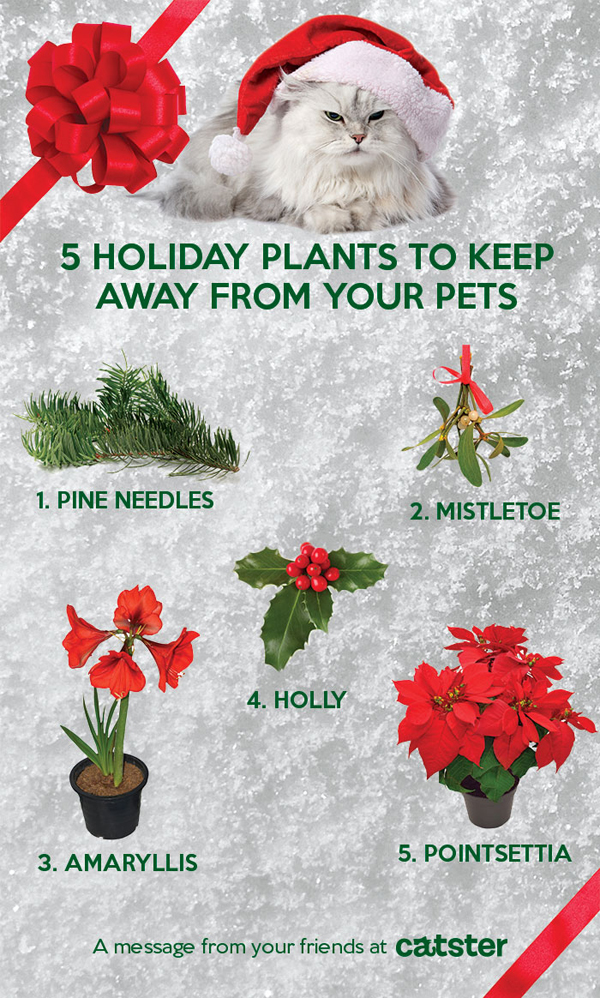
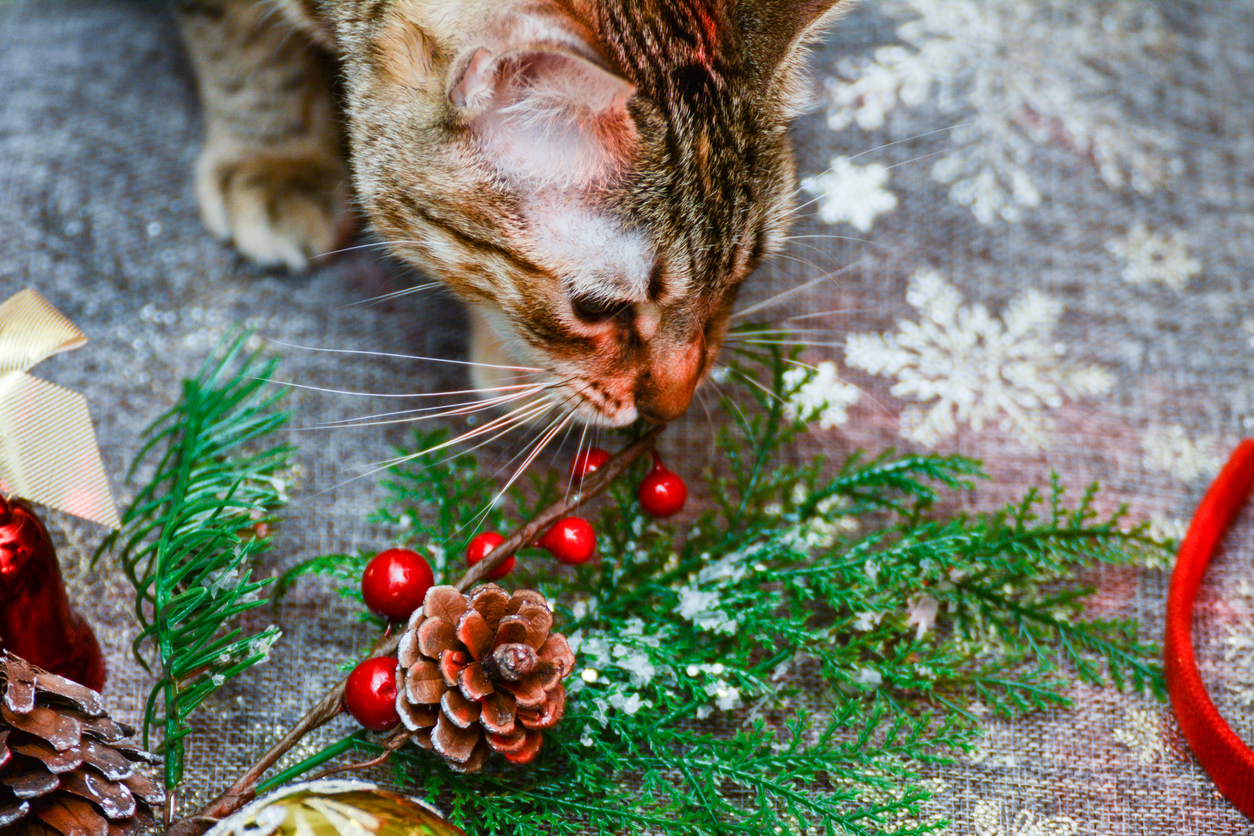
The festive season is a time for joy and celebration, but it’s also crucial to be aware of potential hazards that could harm our beloved pets. As we decorate our homes with festive plants, it’s essential to know which ones are toxic to cats, as even a small nibble can have severe consequences.
This comprehensive guide will provide an overview of the most common Christmas plants that are poisonous to cats, their symptoms of toxicity, and preventive measures to keep your feline companions safe during the holiday season.
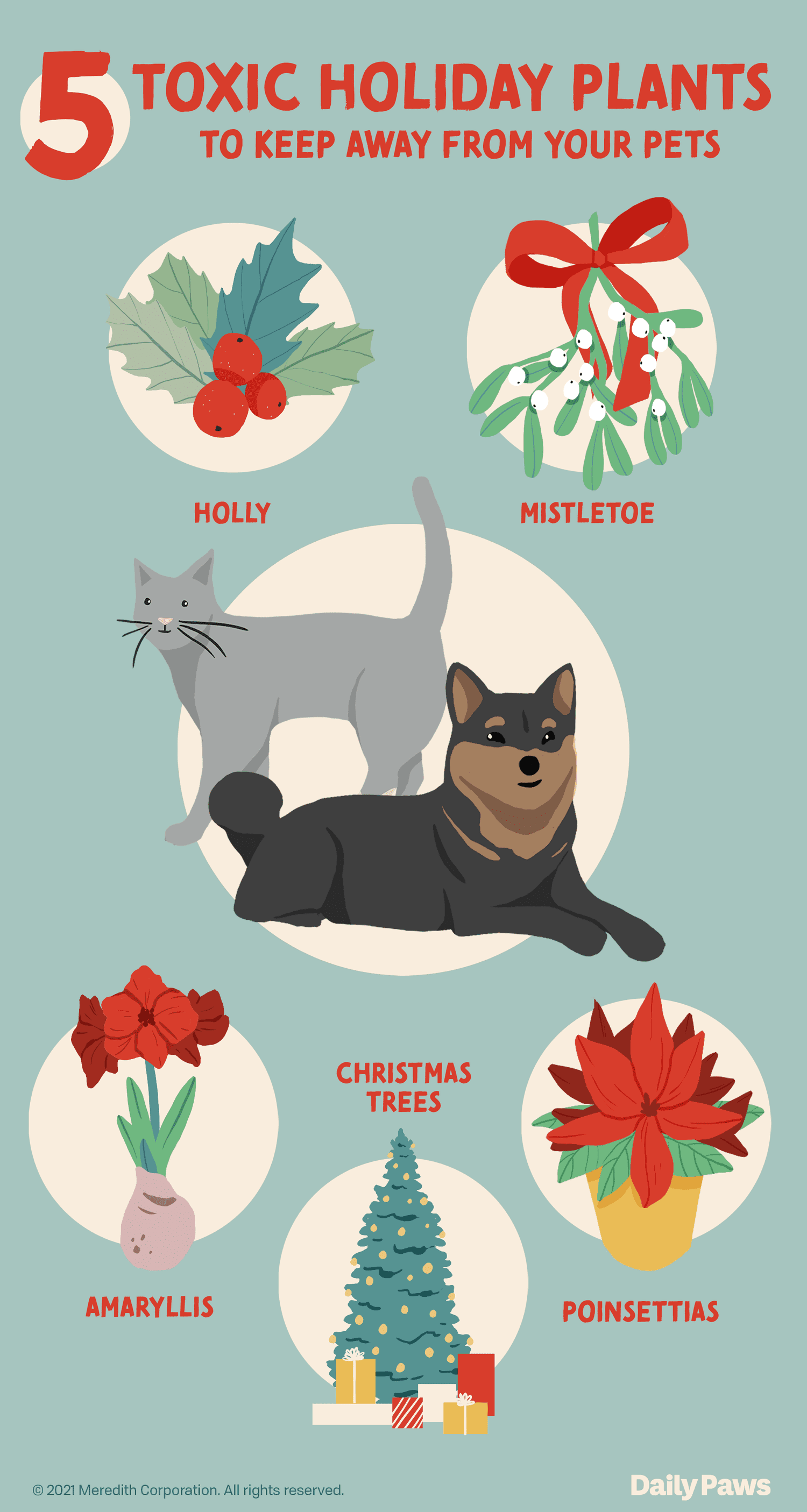
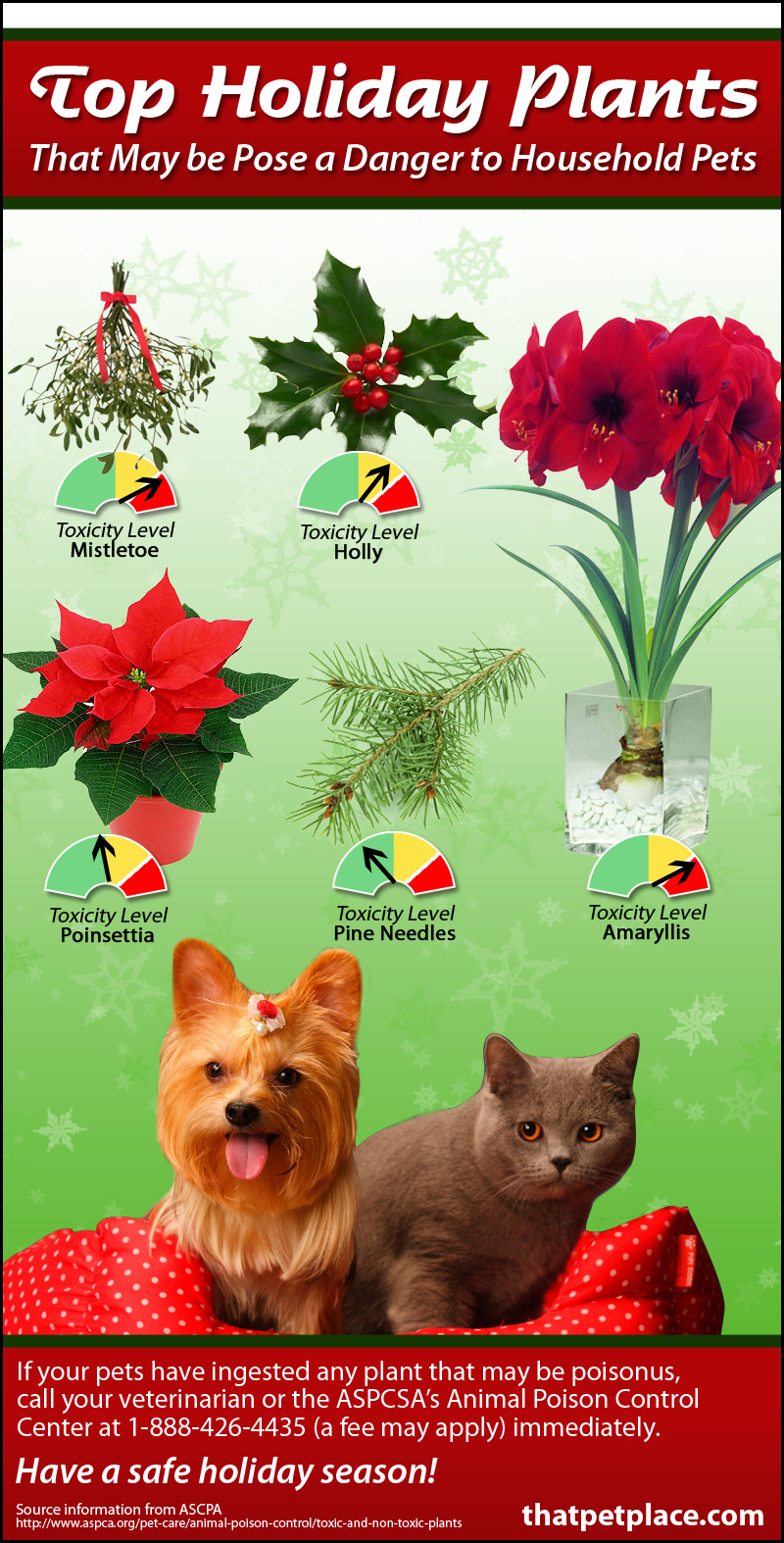
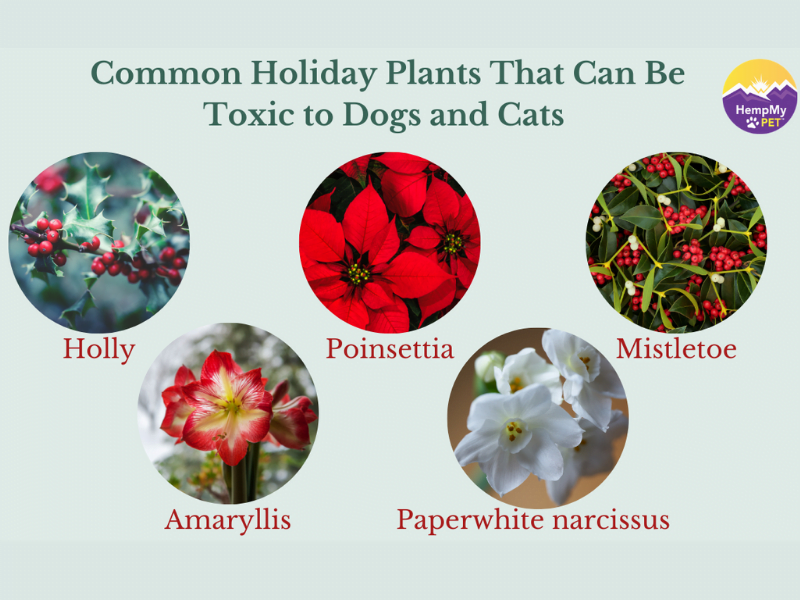
1. Poinsettias (Euphorbia pulcherrima)
Contrary to popular belief, poinsettias are not highly toxic to cats. While they do contain a milky sap that can irritate the mouth and digestive tract, the sap is not typically fatal. However, it’s best to keep poinsettias out of reach to avoid any potential discomfort.
2. Mistletoe (Viscum album)
Mistletoe is a popular Christmas decoration, but its berries are highly toxic to cats. Ingestion of mistletoe berries can cause severe gastrointestinal distress, including vomiting, diarrhea, and abdominal pain. In severe cases, it can lead to cardiovascular problems and even death.
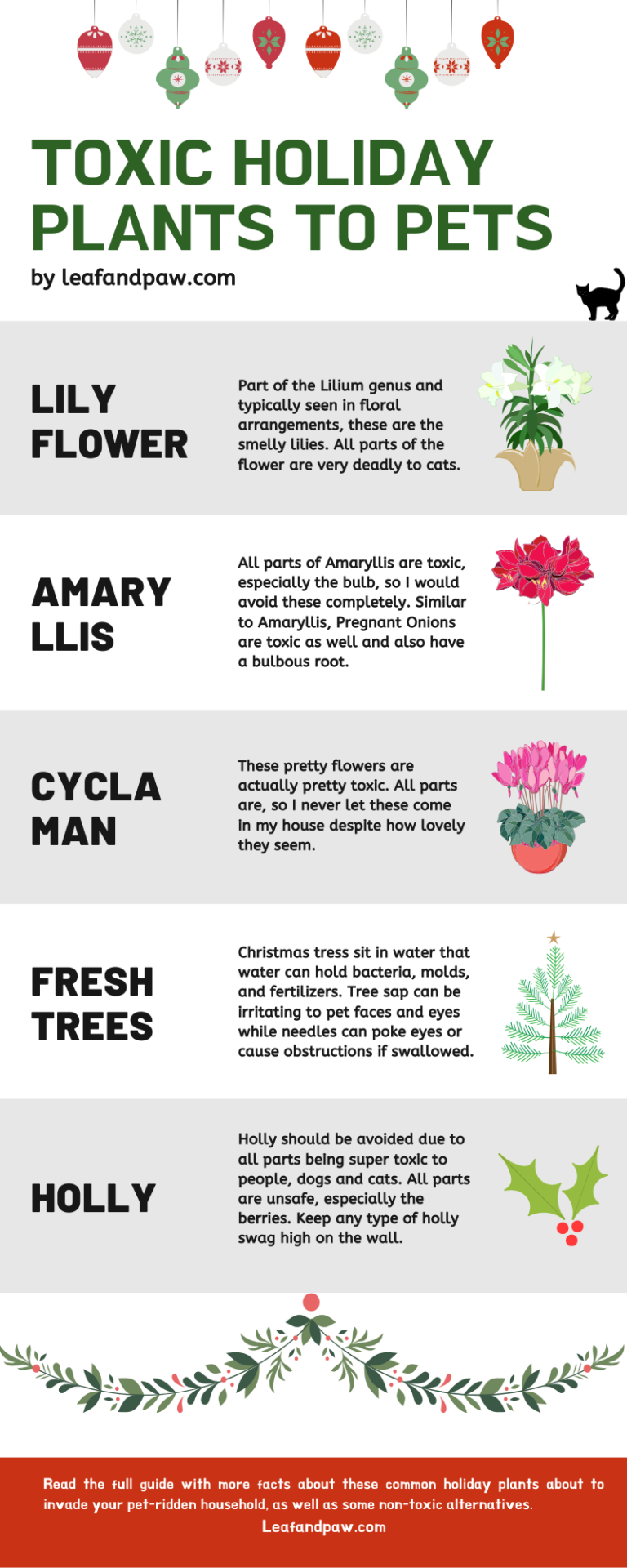
3. Holly (Ilex spp.)
Holly is another festive plant that can be harmful to cats. The leaves and berries of holly contain saponins, which can cause gastrointestinal irritation and vomiting. Additionally, the sharp edges of holly leaves can cause oral injuries if ingested.
4. Amaryllis (Hippeastrum spp.)
Amaryllis is a stunning bulb plant often used in Christmas decorations. However, all parts of the plant are toxic to cats. Ingestion can lead to vomiting, diarrhea, abdominal pain, and lethargy. In severe cases, it can cause seizures and even death.
5. Christmas Cactus (Schlumbergera spp.)
Despite its name, the Christmas cactus is not a true cactus and is generally considered non-toxic to cats. However, some cats may experience mild gastrointestinal upset if they ingest large amounts of the plant.
6. Christmas Rose (Helleborus niger)
The Christmas rose is a beautiful winter-blooming plant, but it is highly toxic to cats. All parts of the plant contain glycosides, which can cause severe gastrointestinal distress, heart problems, and even death.
7. Easter Lily (Lilium longiflorum)
Easter lilies are often used in Christmas arrangements, but they are extremely toxic to cats. Ingestion of any part of the plant, including the leaves, flowers, and pollen, can cause severe kidney failure and even death.
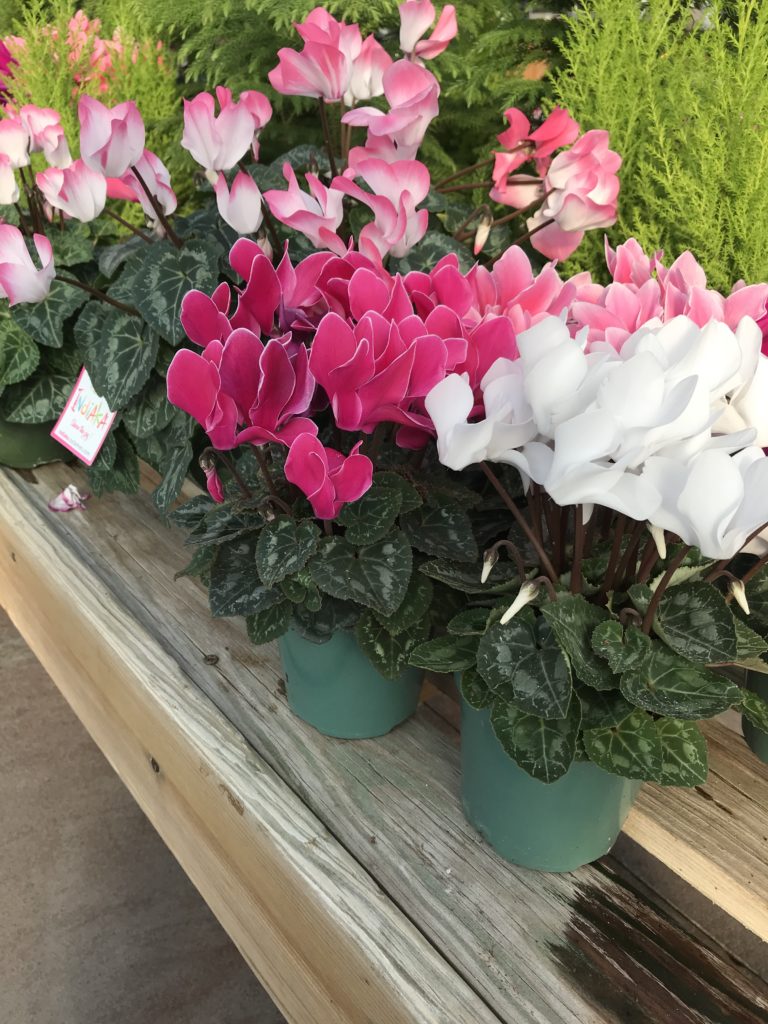
8. Cyclamen (Cyclamen persicum)
Cyclamen is a popular Christmas plant with attractive flowers and foliage. However, all parts of the plant are toxic to cats. Ingestion can cause vomiting, diarrhea, abdominal pain, and excessive thirst. In severe cases, it can lead to seizures and death.
9. Sago Palm (Cycas revoluta)
The sago palm is a popular indoor plant that can also be used in Christmas decorations. However, all parts of the plant are highly toxic to cats. Ingestion of even a small amount of sago palm can cause severe liver failure and even death.
10. Yew (Taxus spp.)
Yew is a common evergreen tree often used in Christmas decorations. However, all parts of the plant, including the leaves, seeds, and bark, are extremely toxic to cats. Ingestion can cause severe cardiovascular problems, seizures, and even death.
Symptoms of Plant Toxicity in Cats
If you suspect your cat has ingested a toxic plant, it’s crucial to seek veterinary attention immediately. The symptoms of plant toxicity in cats can vary depending on the type of plant ingested and the amount consumed. Common symptoms include:
- Vomiting
- Diarrhea
- Abdominal pain
- Excessive thirst
- Lethargy
- Seizures
- Difficulty breathing
- Cardiac arrhythmias
Preventive Measures
To keep your cat safe from Christmas plant toxicity, follow these preventive measures:
- Choose non-toxic plants for your Christmas decorations.
- Keep all plants out of reach of your cat.
- If you suspect your cat has ingested a toxic plant, seek veterinary attention immediately.
- Educate your family and guests about the dangers of Christmas plants to cats.
Conclusion
While many Christmas plants can bring festive cheer to our homes, it’s crucial to be aware of those that are toxic to cats. By following the preventive measures outlined in this guide, you can ensure a safe and enjoyable holiday season for your beloved feline companion. Remember, if you suspect your cat has ingested a toxic plant, seek veterinary attention immediately.


Closure
Thus, we hope this article has provided valuable insights into Christmas Plants Toxic to Cats: A Comprehensive Guide for 2024. We thank you for taking the time to read this article. See you in our next article!