Christmas Plants Hazardous to Dogs: A Comprehensive Guide for 2024
Related Articles: Christmas Plants Hazardous to Dogs: A Comprehensive Guide for 2024
- Christmas Party Names 2024: The Ultimate Guide To Festive And Unforgettable Monikers
- Christmas Pictures You Can Print: Capture The Magic Of The Season
- Christmas Party Invitation Images Free 2024: Spread The Holiday Cheer
- Christmas Pictures Photos 2024: Capture The Magic Of The Festive Season
- Christmas Party Agenda 2024
Introduction
With great pleasure, we will explore the intriguing topic related to Christmas Plants Hazardous to Dogs: A Comprehensive Guide for 2024. Let’s weave interesting information and offer fresh perspectives to the readers.
Table of Content
Video about Christmas Plants Hazardous to Dogs: A Comprehensive Guide for 2024
Christmas Plants Hazardous to Dogs: A Comprehensive Guide for 2024
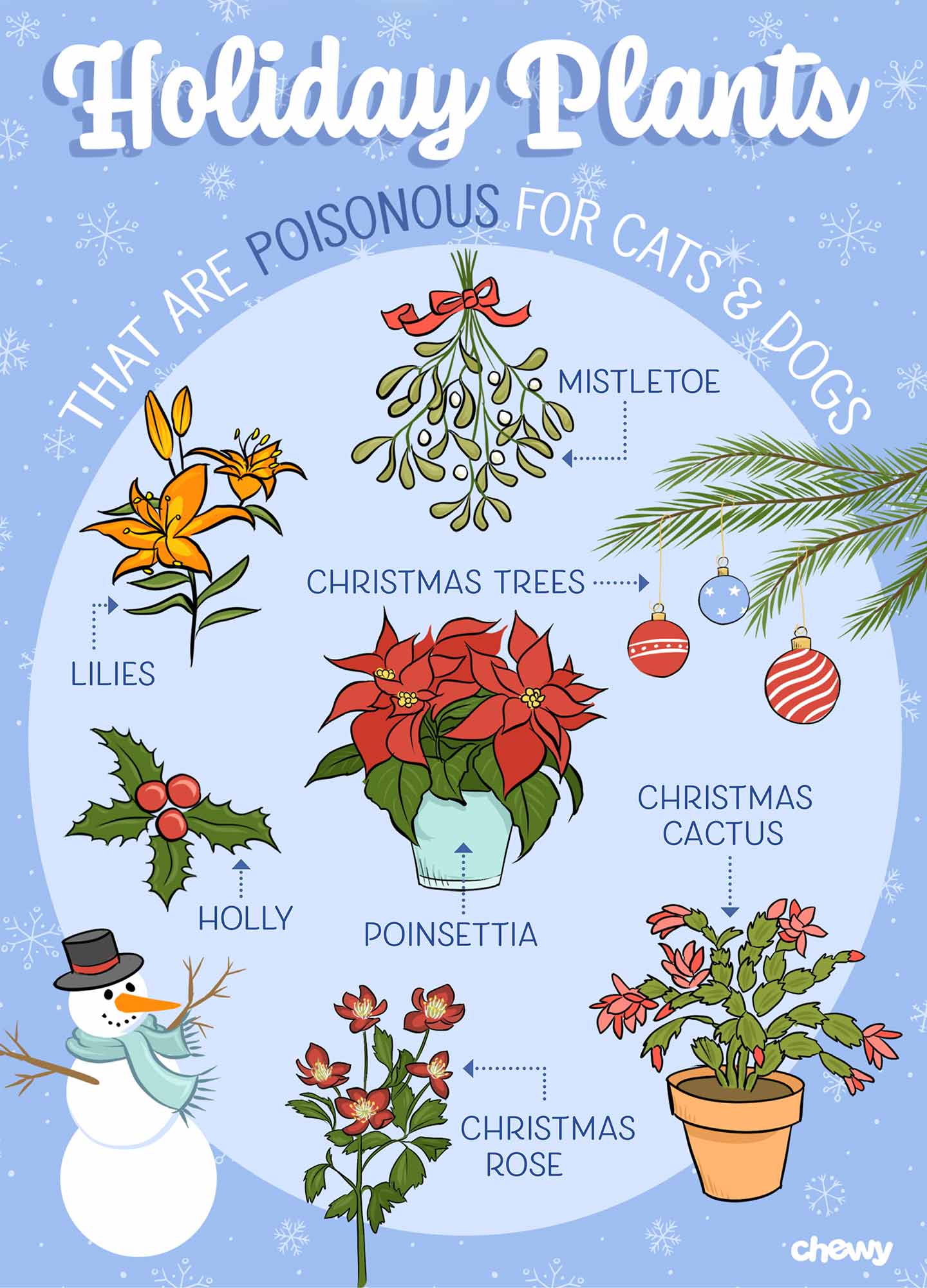
Christmas is a time for joy, family, and festive decorations. However, many popular Christmas plants can pose a serious health hazard to our beloved canine companions. Ingesting even small amounts of these plants can cause severe illness or even death.
To ensure a safe and merry Christmas for your furry friend, it’s crucial to be aware of the potential dangers and take necessary precautions. Here’s a comprehensive guide to Christmas plants that are hazardous to dogs:
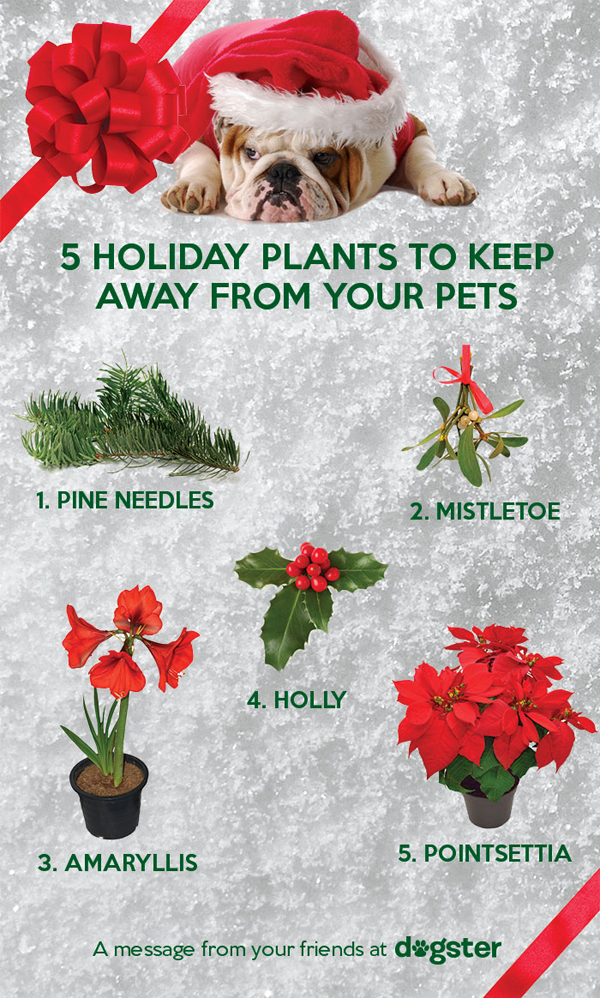
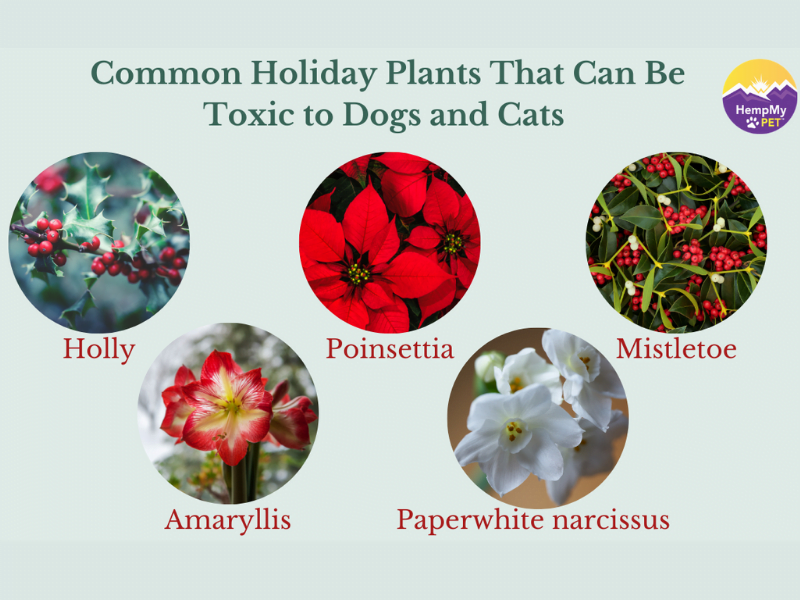
Poinsettia (Euphorbia pulcherrima)
Contrary to popular belief, poinsettias are not highly toxic to dogs. While they do contain a milky sap that can cause mild irritation to the mouth and stomach, it’s unlikely to cause serious harm. However, it’s still advisable to keep poinsettias out of reach of curious pups to prevent any potential discomfort.
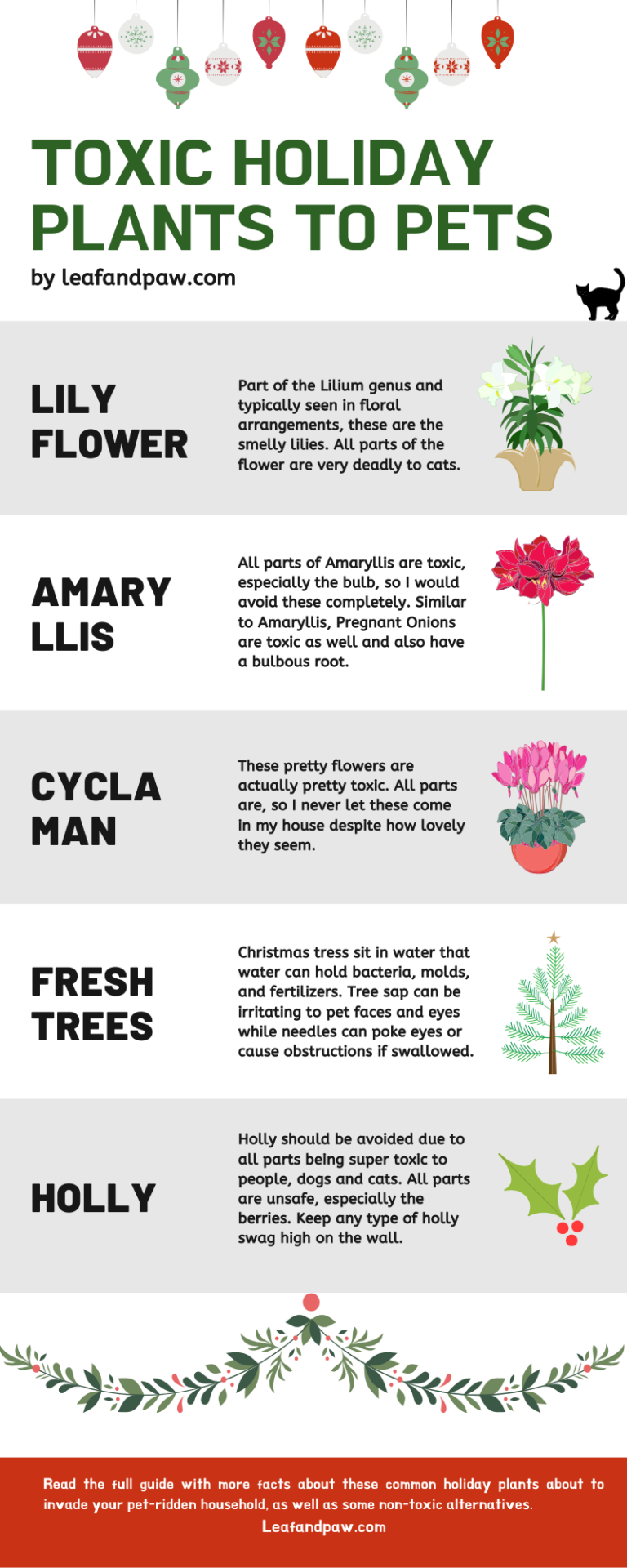
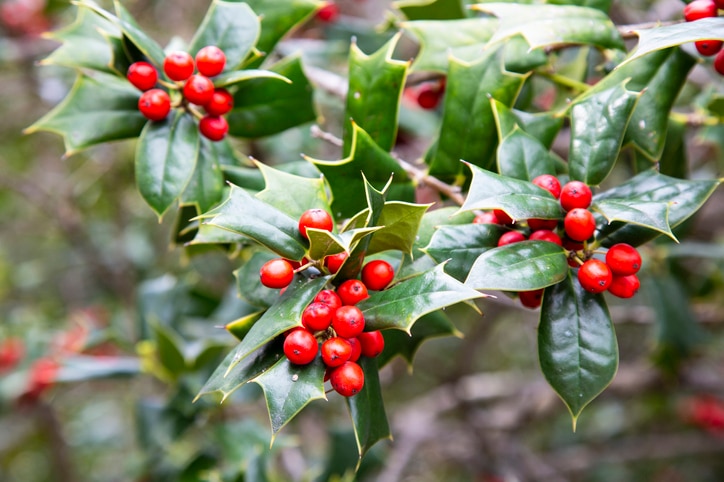
Holly (Ilex aquifolium)
The holly plant is a classic Christmas decoration, but its berries are highly toxic to dogs. Ingestion can cause vomiting, diarrhea, abdominal pain, and even seizures. The leaves also contain saponins, which can irritate the mouth and digestive tract.
Mistletoe (Viscum album)
Mistletoe is another popular Christmas plant that is poisonous to dogs. All parts of the plant, including the berries, leaves, and stems, contain a toxic substance called viscotoxin. Ingestion can cause vomiting, diarrhea, difficulty breathing, and even cardiac arrhythmias.
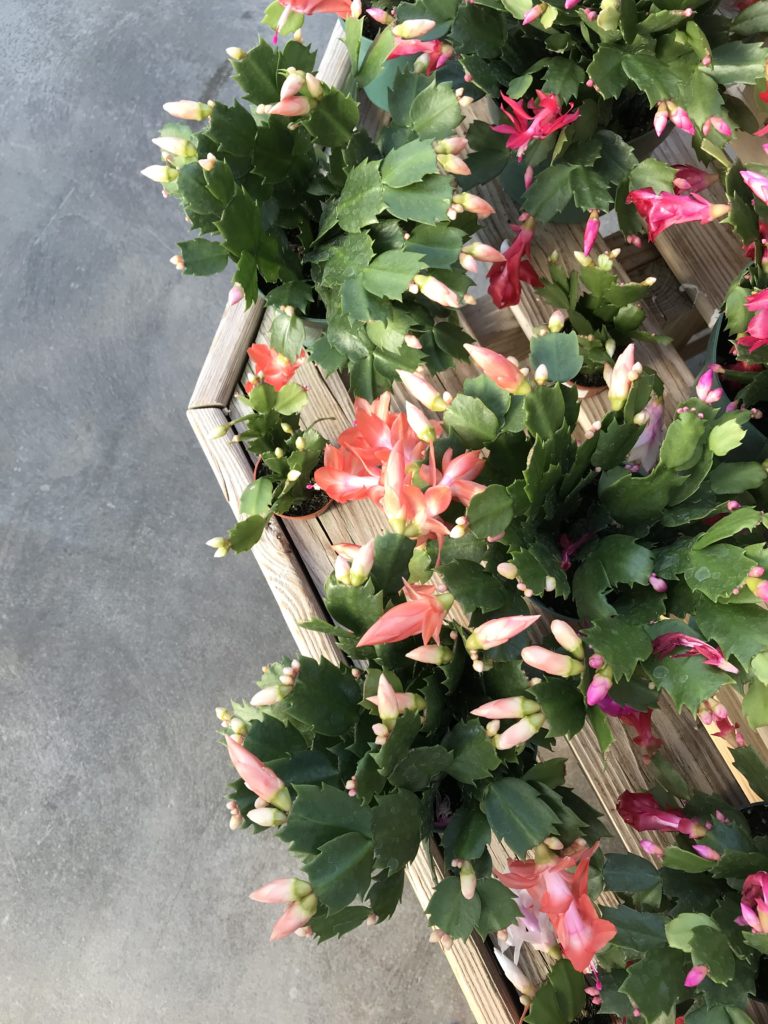
Christmas Cactus (Schlumbergera truncata)
Despite its festive appearance, the Christmas cactus is mildly toxic to dogs. Ingestion of the leaves or stems can cause gastrointestinal upset, such as vomiting and diarrhea.
Amaryllis (Hippeastrum spp.)
Amaryllis is a beautiful flowering plant that can brighten up any Christmas home. However, the bulbs of the plant are highly toxic to dogs. Ingestion can cause severe vomiting, diarrhea, tremors, and even death.
Lilies (Lilium spp.)
All species of lilies, including the popular Stargazer lily, are extremely toxic to cats and can cause acute kidney failure. Even small amounts of lily ingestion can be fatal.
Yew (Taxus spp.)
Yew is an evergreen tree commonly used in Christmas decorations. All parts of the yew plant, including the needles, seeds, and bark, are highly toxic to dogs. Ingestion can cause vomiting, diarrhea, seizures, and even death.
Daffodils (Narcissus spp.)
Daffodils are cheerful spring flowers that can add a touch of cheer to Christmas decor. However, they contain a toxic substance called lycorine, which can cause vomiting, diarrhea, and tremors in dogs.
Hyacinths (Hyacinthus spp.)
Hyacinths are fragrant bulbs that bloom in the spring. Like daffodils, they contain lycorine, which can be toxic to dogs. Ingestion can cause vomiting, diarrhea, and abdominal pain.
Preventing Plant Poisoning in Dogs
To prevent your dog from ingesting hazardous Christmas plants, follow these precautions:
- Keep all potentially toxic plants out of reach of your dog.
- Supervise your dog closely when they are in areas where Christmas plants are present.
- If you suspect your dog has ingested a toxic plant, contact your veterinarian immediately.
Treatment for Plant Poisoning
If your dog has ingested a toxic plant, the treatment will depend on the specific plant and the amount consumed. Your veterinarian may recommend inducing vomiting, administering activated charcoal to absorb toxins, or providing supportive care to manage symptoms.
Conclusion
By being aware of the Christmas plants that are hazardous to dogs and taking appropriate precautions, you can help ensure a safe and festive holiday season for your furry companion. Remember, if you have any concerns or suspect your dog has ingested a toxic plant, don’t hesitate to contact your veterinarian immediately.


Closure
Thus, we hope this article has provided valuable insights into Christmas Plants Hazardous to Dogs: A Comprehensive Guide for 2024. We appreciate your attention to our article. See you in our next article!