Christmas Plant Red and Green 2024: A Guide to Festive Foliage
Related Articles: Christmas Plant Red and Green 2024: A Guide to Festive Foliage
- Exeter Christmas Party 2024: A Festive Extravaganza
- Christmas Party Invitations 2024: A Guide To Sending Out Festive Invitations
- Christmas Pictures For Email Signatures 2024: Spread Holiday Cheer With Festive Imagery
- Christmas Outfits For Men 2024: A Guide To Festive Fashion
- Prepare For The Most Enchanting Christmas Party Hop Of 2024
Introduction
With great pleasure, we will explore the intriguing topic related to Christmas Plant Red and Green 2024: A Guide to Festive Foliage. Let’s weave interesting information and offer fresh perspectives to the readers.
Table of Content
Video about Christmas Plant Red and Green 2024: A Guide to Festive Foliage
Christmas Plant Red and Green 2024: A Guide to Festive Foliage
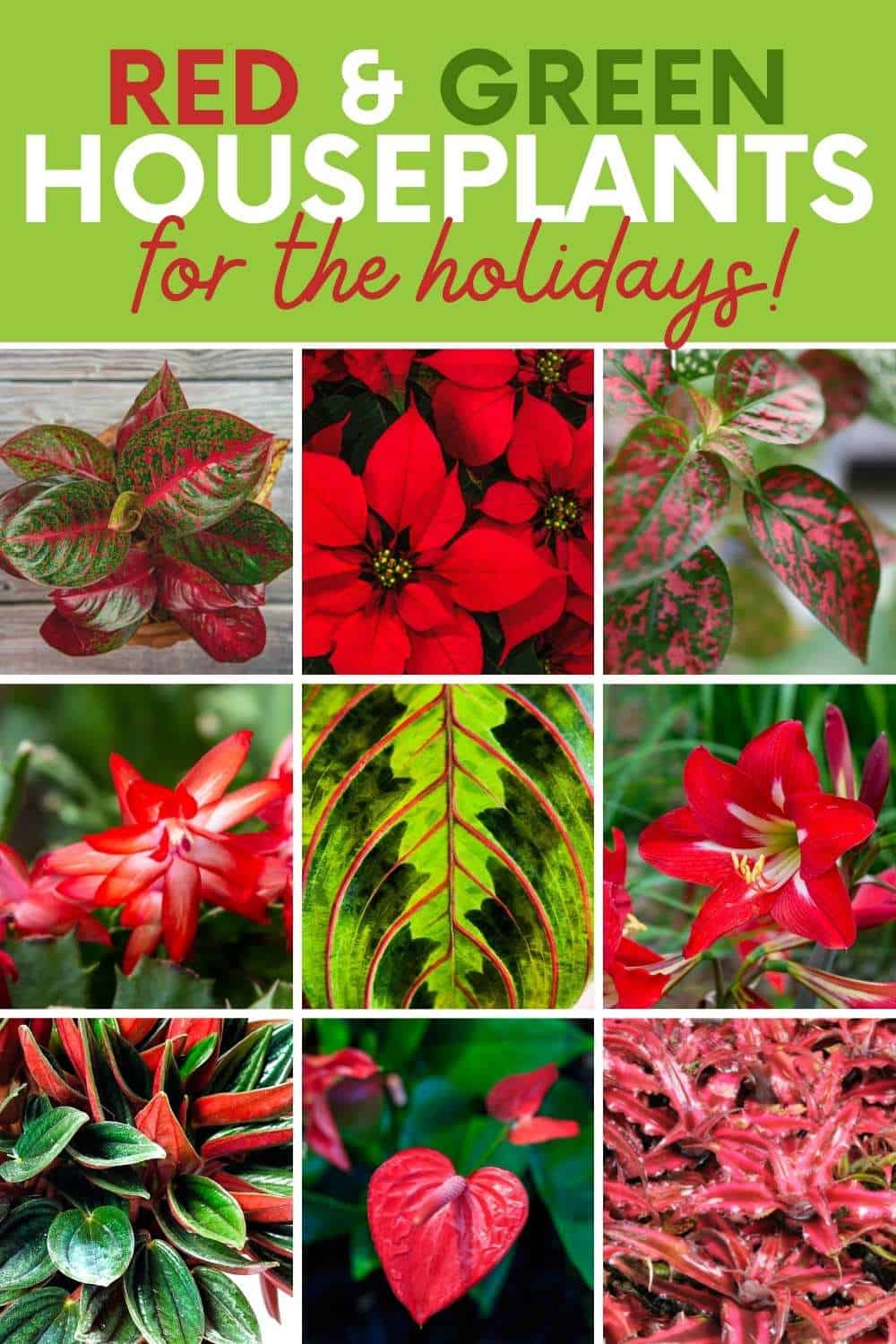
As the holiday season approaches, it’s time to start thinking about decorating our homes with festive plants. Red and green are traditional Christmas colors, and there are many different plants that can be used to create a festive atmosphere.
In this article, we’ll take a look at some of the most popular Christmas plants in red and green. We’ll also provide tips on how to care for these plants so that they last throughout the holiday season.
Poinsettias
Poinsettias are one of the most popular Christmas plants, and for good reason. Their bright red bracts (modified leaves) are sure to add a festive touch to any home. Poinsettias are relatively easy to care for, but they do require a bit of attention.
- Light: Poinsettias need bright, indirect light. Avoid placing them in direct sunlight, as this can scorch the leaves.
- Water: Water poinsettias when the top inch of soil is dry to the touch. Avoid overwatering, as this can lead to root rot.
- Temperature: Poinsettias prefer temperatures between 65 and 75 degrees Fahrenheit. Avoid exposing them to cold drafts or temperatures below 55 degrees Fahrenheit.
Amaryllis
Amaryllis is another popular Christmas plant. These plants produce large, trumpet-shaped flowers in a variety of colors, including red, white, and pink. Amaryllis are relatively easy to care for, but they do require a bit of patience.
- Light: Amaryllis need bright, indirect light. Avoid placing them in direct sunlight, as this can scorch the leaves.
- Water: Water amaryllis when the top inch of soil is dry to the touch. Avoid overwatering, as this can lead to root rot.
- Temperature: Amaryllis prefer temperatures between 60 and 70 degrees Fahrenheit. Avoid exposing them to cold drafts or temperatures below 50 degrees Fahrenheit.
Christmas Cactus
Christmas cactus is a unique and beautiful plant that produces long, drooping stems covered in small, colorful flowers. Christmas cactus is relatively easy to care for, but it does require a bit of attention.
- Light: Christmas cactus need bright, indirect light. Avoid placing them in direct sunlight, as this can scorch the leaves.
- Water: Water Christmas cactus when the top inch of soil is dry to the touch. Avoid overwatering, as this can lead to root rot.
- Temperature: Christmas cactus prefer temperatures between 60 and 70 degrees Fahrenheit. Avoid exposing them to cold drafts or temperatures below 50 degrees Fahrenheit.
Holly
Holly is a classic Christmas plant that is known for its glossy green leaves and bright red berries. Holly is relatively easy to care for, but it does require a bit of protection from the cold.
- Light: Holly prefers partial shade to full sun. Avoid placing it in direct sunlight, as this can scorch the leaves.
- Water: Water holly when the top inch of soil is dry to the touch. Avoid overwatering, as this can lead to root rot.
- Temperature: Holly is hardy in USDA plant hardiness zones 5 to 9. In colder climates, it is important to protect holly from the cold by planting it in a sheltered location or by covering it with a blanket or burlap.
Mistletoe
Mistletoe is a parasitic plant that is often associated with Christmas. Mistletoe is relatively easy to care for, but it does require a host plant to survive.
- Light: Mistletoe prefers partial shade to full sun. Avoid placing it in direct sunlight, as this can scorch the leaves.
- Water: Water mistletoe when the top inch of soil is dry to the touch. Avoid overwatering, as this can lead to root rot.
- Temperature: Mistletoe is hardy in USDA plant hardiness zones 5 to 9. In colder climates, it is important to protect mistletoe from the cold by planting it in a sheltered location or by covering it with a blanket or burlap.
Tips for Caring for Christmas Plants
Here are a few tips for caring for Christmas plants:
- Water: Christmas plants should be watered when the top inch of soil is dry to the touch. Avoid overwatering, as this can lead to root rot.
- Light: Most Christmas plants prefer bright, indirect light. Avoid placing them in direct sunlight, as this can scorch the leaves.
- Temperature: Christmas plants prefer temperatures between 60 and 70 degrees Fahrenheit. Avoid exposing them to cold drafts or temperatures below 50 degrees Fahrenheit.
- Fertilizer: Christmas plants can be fertilized once a month with a balanced fertilizer.
- Repotting: Christmas plants should be repotted every 2 to 3 years. When repotting, use a potting mix that is specifically designed for the type of plant you are growing.
With a little care, your Christmas plants will last throughout the holiday season and bring you joy for years to come.




Closure
Thus, we hope this article has provided valuable insights into Christmas Plant Red and Green 2024: A Guide to Festive Foliage. We thank you for taking the time to read this article. See you in our next article!