Christmas Plant Facts 2024
Related Articles: Christmas Plant Facts 2024
- YouTube’s Christmas Party Extravaganza: A Festive Celebration For 2024
- Christmas Party Food Ideas Buffet 2024: A Culinary Extravaganza
- Christmas Party Appetizers Finger Foods 2024: A Festive Feast For The Holidays
- Christmas Party Invitation Template 2024: Spread The Holiday Cheer With Festive Designs
- Christmas Pictures 400 X 150 Pixels 2024: Capture The Festive Spirit In A Snap
Introduction
With great pleasure, we will explore the intriguing topic related to Christmas Plant Facts 2024. Let’s weave interesting information and offer fresh perspectives to the readers.
Table of Content
Video about Christmas Plant Facts 2024
Christmas Plant Facts 2024

Introduction
Christmas is a time for joy, family, and tradition. And what would Christmas be without its iconic plants? From the evergreen Christmas tree to the festive poinsettia, these plants have become synonymous with the holiday season. But what do you really know about these beloved Christmas plants?
In this article, we’ll delve into the fascinating world of Christmas plants, exploring their origins, symbolism, and care tips. We’ll also provide some interesting facts and trivia to enhance your holiday knowledge. So, gather around the Christmas tree, grab a cup of hot cocoa, and let’s explore the wonderful world of Christmas plants!
The Christmas Tree
The Christmas tree is arguably the most important symbol of the holiday season. It is believed to have originated in Germany in the 16th century, when devout Christians brought evergreen trees into their homes to represent the eternal life of Christ. Over time, the tradition spread throughout Europe and eventually to the Americas.
Today, Christmas trees come in a variety of shapes and sizes, from small tabletop trees to towering outdoor specimens. The most popular species of Christmas trees include:
- Douglas Fir: Known for its symmetrical shape and soft, blue-green needles.
- Balsam Fir: Has a strong, fragrant aroma and dark green needles.
- Scotch Pine: A sturdy tree with long, stiff needles and a distinctive blue-gray color.
- White Pine: A stately tree with soft, flexible needles and a silvery-blue hue.
- Spruce: A popular choice for outdoor Christmas trees, with sharp, prickly needles and a conical shape.
Care Tips for Christmas Trees:
- Choose a tree that is fresh and healthy, with no signs of browning or needle loss.
- Cut off about 1-2 inches from the base of the trunk to allow for better water absorption.
- Place the tree in a stand that can hold water and support its weight.
- Water the tree regularly, keeping the water level about 1 inch below the top of the stand.
- Keep the tree away from heat sources, such as fireplaces or radiators.
The Poinsettia
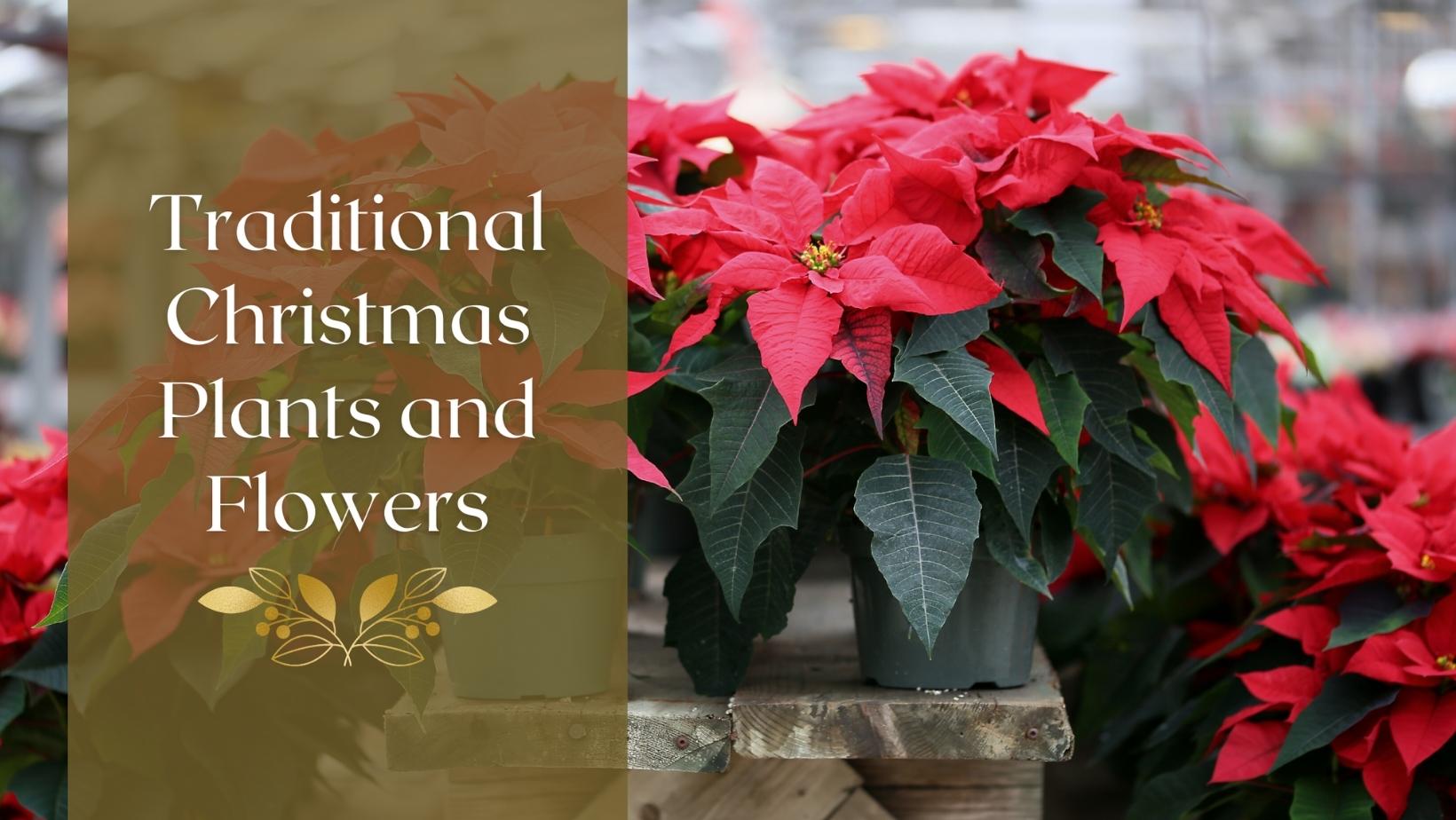
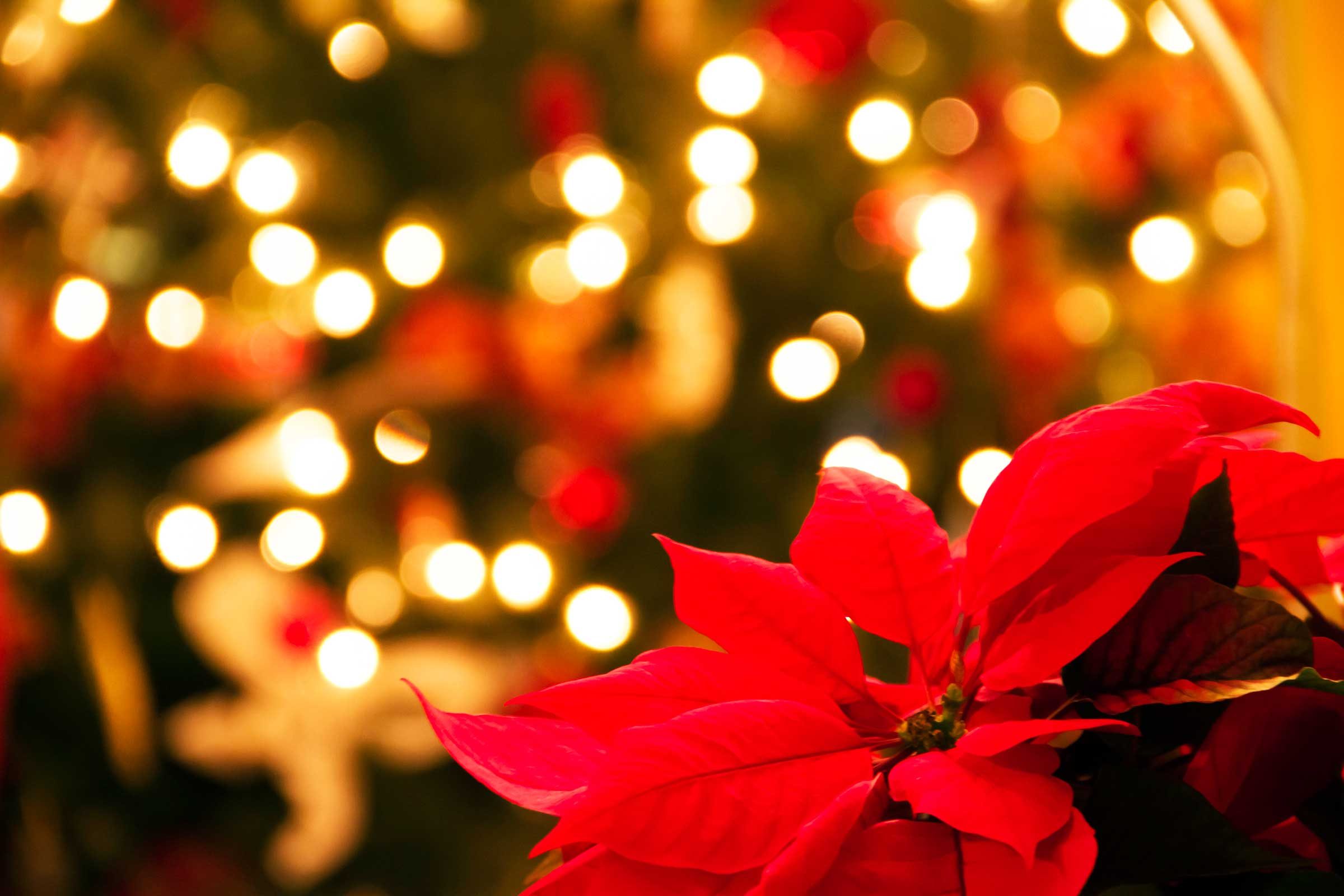
The poinsettia is another iconic Christmas plant, known for its vibrant red, pink, or white bracts. These colorful bracts are actually modified leaves, while the true flowers are the small, yellow clusters in the center.
The poinsettia is native to Mexico, where it is known as the "Flower of the Holy Night." It was first brought to the United States in the 1820s by Joel Roberts Poinsett, the first U.S. ambassador to Mexico. The plant quickly became popular as a Christmas decoration, and today it is one of the best-selling holiday plants.
Care Tips for Poinsettias:
- Poinsettias prefer bright, indirect light.
- Water the plant when the soil feels slightly dry to the touch.
- Avoid overwatering, as this can lead to root rot.
- Keep the plant away from cold drafts and extreme temperatures.
- After the holidays, you can try to keep your poinsettia alive by providing it with proper care and gradually reducing the amount of light it receives.
Other Popular Christmas Plants
In addition to the Christmas tree and poinsettia, there are many other plants that are often associated with the holiday season. These include:
- Holly: An evergreen shrub with glossy, dark green leaves and bright red berries.
- Mistletoe: A semi-parasitic plant with waxy, white berries.
- Ivy: A climbing plant with trailing stems and glossy, green leaves.
- Rosemary: A fragrant herb with needle-like leaves and white or blue flowers.
- Amaryllis: A bulbous plant with large, trumpet-shaped flowers in a variety of colors.
Interesting Christmas Plant Facts
- The average American spends about $50 on Christmas plants each year.
- The poinsettia is the most popular Christmas plant in the world.
- The scientific name for the poinsettia is Euphorbia pulcherrima, which means "very beautiful."
- Holly is said to bring good luck and protection during the holiday season.
- Mistletoe is believed to have magical powers, and it is often used in Christmas decorations and rituals.
- Ivy is a symbol of eternal life and friendship.
- Rosemary is said to have medicinal properties, and it is often used in Christmas cooking and decorations.
- Amaryllis is a symbol of hope and new beginnings.
Conclusion
Christmas plants are an integral part of the holiday season, adding beauty, joy, and symbolism to our homes and celebrations. From the majestic Christmas tree to the festive poinsettia, these plants have become synonymous with the spirit of Christmas. By understanding their origins, symbolism, and care tips, we can appreciate these beloved plants even more.
So, as we gather around the Christmas tree this year, let’s take a moment to admire the beauty and wonder of Christmas plants. May they bring us joy, peace, and a renewed sense of hope during this special time of year.



Closure
Thus, we hope this article has provided valuable insights into Christmas Plant Facts 2024. We thank you for taking the time to read this article. See you in our next article!