Christmas Plant Care Instructions for a Festive 2024
Related Articles: Christmas Plant Care Instructions for a Festive 2024
- Christmas Party Pictures Clip Art 2024: Capture The Joy And Festivities
- Christmas Party Games For Adults 2024: Unforgettable Festivities For A Memorable Holiday
- Christmas Party Nights 2024: A Festive Extravaganza
- Christmas Party Hotels Near London 2024: Unforgettable Festive Celebrations
- Christmas Outfits For Little Girls: A Guide To The Most Adorable Styles Of 2024
Introduction
With enthusiasm, let’s navigate through the intriguing topic related to Christmas Plant Care Instructions for a Festive 2024. Let’s weave interesting information and offer fresh perspectives to the readers.
Table of Content
Video about Christmas Plant Care Instructions for a Festive 2024
Christmas Plant Care Instructions for a Festive 2024

Christmas plants bring joy and cheer to our homes during the festive season. From the iconic poinsettia to the fragrant Christmas cactus, each plant has its unique requirements to thrive. By following these comprehensive care instructions, you can ensure that your Christmas plants remain vibrant and healthy throughout the holiday season and beyond.
1. Poinsettias: The Star of Christmas
Watering: Poinsettias prefer moist but not soggy soil. Water when the top inch of soil feels dry to the touch. Avoid overwatering, as this can lead to root rot.
Light: Poinsettias require bright, indirect light for at least six hours a day. Avoid placing them in direct sunlight, as this can scorch the leaves.
Temperature: Poinsettias thrive in temperatures between 65-75°F (18-24°C). Avoid placing them near heat sources or cold drafts.
Fertilizing: Fertilize poinsettias every two weeks with a balanced liquid fertilizer during the blooming period.
Pruning: After the blooms fade, cut back the stems by one-third to encourage new growth.
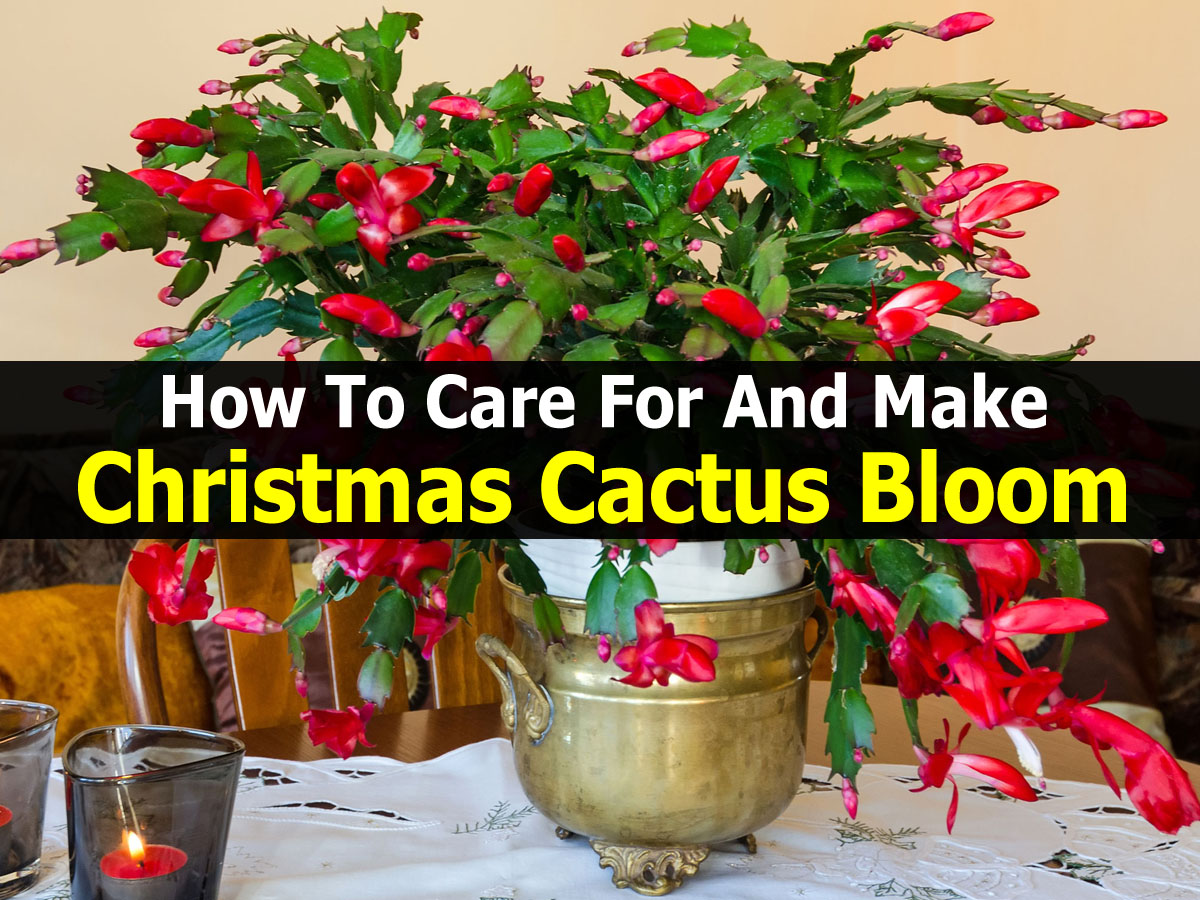
2. Christmas Cactus: A Fragrant Delight
Watering: Christmas cacti prefer evenly moist soil. Water when the top inch of soil feels slightly dry. Avoid overwatering or letting the soil dry out completely.
Light: Christmas cacti prefer bright, indirect light for at least six hours a day. They can tolerate some direct morning sunlight but should be protected from intense afternoon sun.
Temperature: Christmas cacti thrive in temperatures between 60-70°F (16-21°C). Avoid placing them near heat sources or cold drafts.
Fertilizing: Fertilize Christmas cacti every two weeks with a balanced liquid fertilizer during the growing season (March-September).
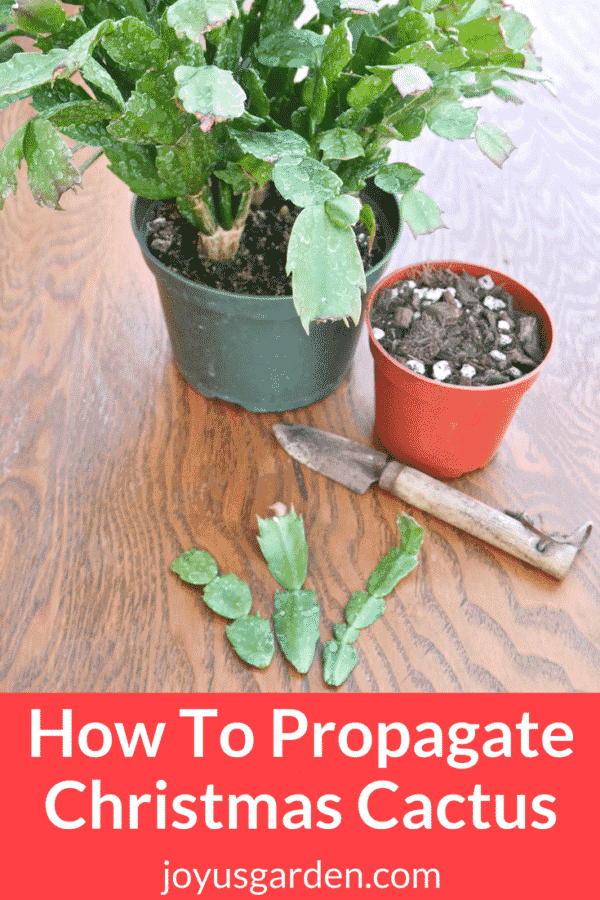
Pruning: After the blooms fade, prune the stems back by one-third to encourage new growth and flowering the following year.
3. Amaryllis: A Bold and Beautiful Bloom
Watering: Amaryllis bulbs require regular watering, especially during the growing and flowering period. Water when the top inch of soil feels dry to the touch. Avoid overwatering, as this can lead to bulb rot.
Light: Amaryllis prefers bright, indirect light for at least six hours a day. They can tolerate some direct morning sunlight but should be protected from intense afternoon sun.
Temperature: Amaryllis thrives in temperatures between 65-75°F (18-24°C). Avoid placing them near heat sources or cold drafts.
Fertilizing: Fertilize Amaryllis every two weeks with a balanced liquid fertilizer during the growing and flowering period.
Pruning: After the blooms fade, cut back the flower stalk to the base. Allow the foliage to continue growing until it dies back naturally, which will help the bulb store energy for the next blooming season.
4. Paperwhite Narcissus: A Fragrant Holiday Treat
Watering: Paperwhite Narcissus bulbs prefer moist but not soggy soil. Water when the top inch of soil feels dry to the touch. Avoid overwatering, as this can lead to bulb rot.
Light: Paperwhite Narcissus prefers bright, indirect light for at least four hours a day. They can tolerate some direct morning sunlight but should be protected from intense afternoon sun.
Temperature: Paperwhite Narcissus thrives in temperatures between 55-65°F (13-18°C). Avoid placing them near heat sources or cold drafts.
Fertilizing: No fertilization is necessary for Paperwhite Narcissus bulbs.
Pruning: After the blooms fade, cut back the flower stalks to the base. Allow the foliage to continue growing until it dies back naturally, which will help the bulbs store energy for the next blooming season.
5. Norfolk Island Pine: A Living Christmas Tree
Watering: Norfolk Island Pines prefer evenly moist soil. Water when the top two inches of soil feel dry to the touch. Avoid overwatering or letting the soil dry out completely.
Light: Norfolk Island Pines require bright, indirect light for at least six hours a day. They can tolerate some direct morning sunlight but should be protected from intense afternoon sun.
Temperature: Norfolk Island Pines thrive in temperatures between 65-75°F (18-24°C). Avoid placing them near heat sources or cold drafts.
Fertilizing: Fertilize Norfolk Island Pines every month with a balanced liquid fertilizer during the growing season (March-September).
Pruning: Prune Norfolk Island Pines as needed to maintain their shape and size. Avoid pruning more than one-third of the tree at a time.
6. Christmas Rose (Helleborus): A Winter Wonder
Watering: Christmas Roses prefer evenly moist soil. Water when the top inch of soil feels dry to the touch. Avoid overwatering or letting the soil dry out completely.
Light: Christmas Roses prefer bright, indirect light for at least four hours a day. They can tolerate some direct morning sunlight but should be protected from intense afternoon sun.
Temperature: Christmas Roses thrive in temperatures between 45-55°F (7-13°C). They can tolerate colder temperatures but may not bloom as profusely.
Fertilizing: Fertilize Christmas Roses every two weeks with a balanced liquid fertilizer during the growing season (March-September).
Pruning: Remove any dead or damaged foliage as needed. After the blooms fade, cut back the flower stalks to the base.
7. Winterberry Holly: A Festive Berry Bush
Watering: Winterberry Holly prefers moist but not soggy soil. Water when the top inch of soil feels dry to the touch. Avoid overwatering or letting the soil dry out completely.
Light: Winterberry Holly prefers full sun to partial shade. It can tolerate some direct morning sunlight but should be protected from intense afternoon sun.
Temperature: Winterberry Holly thrives in temperatures between 40-60°F (4-16°C). It can tolerate colder temperatures but may not produce as many berries.
Fertilizing: Fertilize Winterberry Holly every month with a balanced liquid fertilizer during the growing season (March-September).
Pruning: Prune Winterberry Holly as needed to maintain its shape and size. Avoid pruning more than one-third of the shrub at a time.
Additional Care Tips for All Christmas Plants:
- Humidity: Most Christmas plants prefer moderate to high humidity. Consider placing them on a pebble tray filled with water or using a humidifier to increase the humidity around them.
- Repotting: Repot Christmas plants when they become rootbound or if the soil becomes compacted. Use a well-draining potting mix specifically formulated for the type of plant you are growing.
- Pests and Diseases: Inspect Christmas plants regularly for pests and diseases. Treat any infestations promptly with an appropriate insecticide or fungicide.
- Holiday Decor: Avoid placing Christmas plants near open flames or candles. Keep them away from pets and children, as some plants can be toxic if ingested.
By following these detailed care instructions, you can ensure that your Christmas plants remain healthy and vibrant throughout the festive season and beyond. May they bring you joy and cheer for many years to come!





Closure
Thus, we hope this article has provided valuable insights into Christmas Plant Care Instructions for a Festive 2024. We thank you for taking the time to read this article. See you in our next article!