Christmas Plant Care 2024: A Comprehensive Guide to Nurturing Your Festive Flora
Related Articles: Christmas Plant Care 2024: A Comprehensive Guide to Nurturing Your Festive Flora
- Christmas Party Locations 2024: Unforgettable Venues For Festive Celebrations
- Christmas Party Expenses HMRC 2024
- Christmas Party Venues Near Quezon City 2024: A Festive Guide To Unforgettable Celebrations
- Christmas Pictures 2024: Capture The Magic Of The Season
- Christmas Pictures For Kids To Color Free 2024: A Festive Coloring Adventure
Introduction
With enthusiasm, let’s navigate through the intriguing topic related to Christmas Plant Care 2024: A Comprehensive Guide to Nurturing Your Festive Flora. Let’s weave interesting information and offer fresh perspectives to the readers.
Table of Content
Video about Christmas Plant Care 2024: A Comprehensive Guide to Nurturing Your Festive Flora
Christmas Plant Care 2024: A Comprehensive Guide to Nurturing Your Festive Flora

The festive season is upon us, and with it comes the joy of adorning our homes with beautiful Christmas plants. From the iconic poinsettia to the fragrant Christmas cactus, these festive flora add a touch of cheer and warmth to our holiday celebrations. However, to ensure that your Christmas plants thrive throughout the season and beyond, it’s essential to provide them with proper care.
This comprehensive guide will provide you with all the information you need to keep your Christmas plants healthy and vibrant during the 2024 holiday season and beyond.
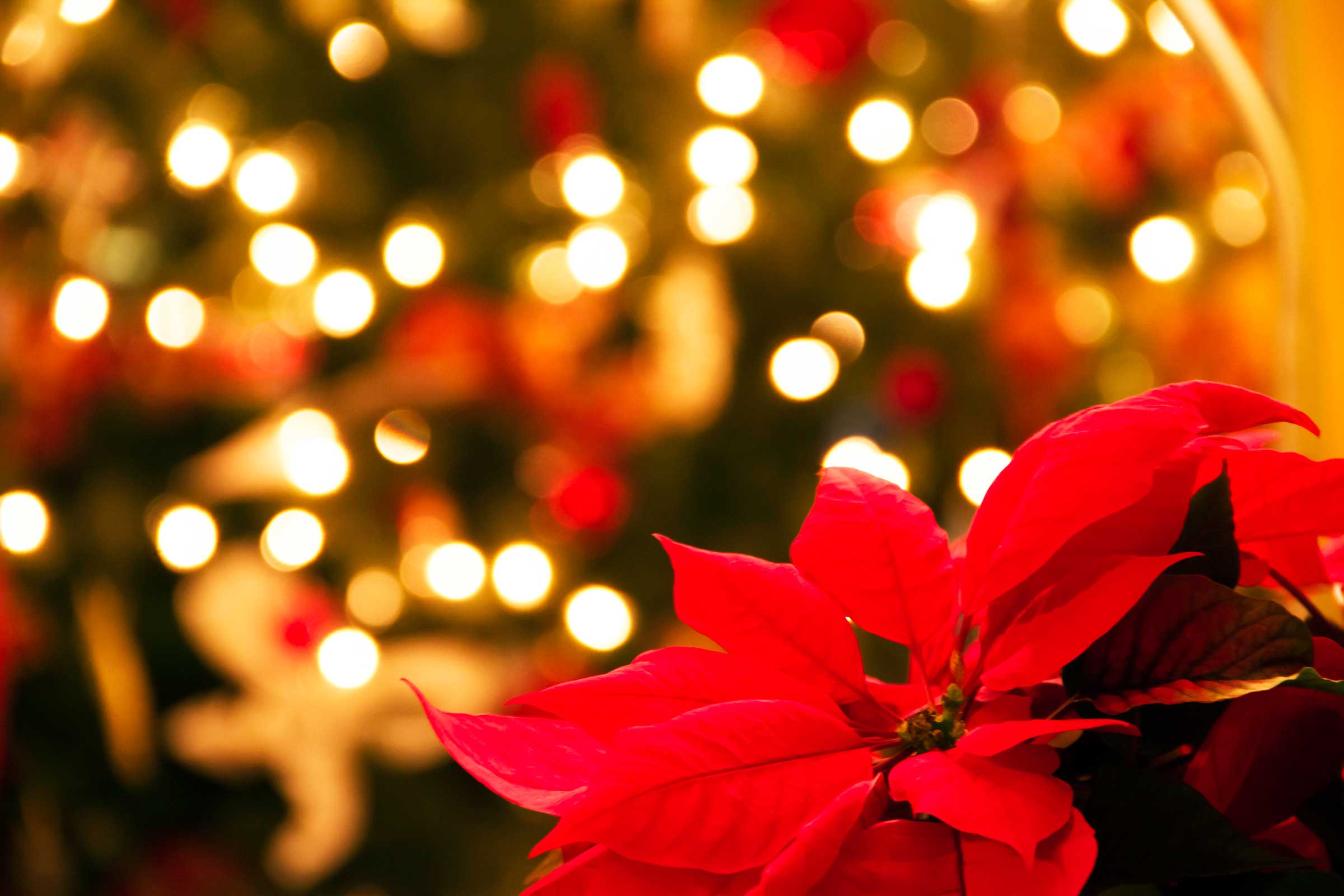
Poinsettia (Euphorbia pulcherrima)
The poinsettia is synonymous with Christmas, its vibrant red bracts adding a festive touch to any home. To keep your poinsettia thriving, follow these care tips:
- Light: Poinsettias prefer bright, indirect light. Avoid placing them in direct sunlight, as this can scorch their leaves.
- Water: Water your poinsettia when the soil feels slightly dry to the touch. Avoid overwatering, as this can lead to root rot.
- Temperature: Poinsettias thrive in temperatures between 65-75°F (18-24°C). Avoid exposing them to cold drafts or sudden temperature changes.
- Humidity: Poinsettias prefer moderate humidity. You can increase humidity by placing them on a tray filled with pebbles and water or by using a humidifier.
- Fertilizer: Fertilize your poinsettia monthly with a balanced liquid fertilizer.
Christmas Cactus (Schlumbergera bridgesii)
The Christmas cactus is known for its showy, colorful blooms that appear during the holiday season. To ensure a vibrant display, follow these care tips:
- Light: Christmas cacti prefer bright, indirect light. They can tolerate some direct sunlight, but avoid placing them in full sun for extended periods.
- Water: Water your Christmas cactus when the soil feels slightly dry to the touch. Avoid overwatering, as this can lead to root rot.
- Temperature: Christmas cacti thrive in temperatures between 55-70°F (13-21°C). Avoid exposing them to cold drafts or sudden temperature changes.
- Humidity: Christmas cacti prefer moderate humidity. You can increase humidity by placing them on a tray filled with pebbles and water or by using a humidifier.
- Fertilizer: Fertilize your Christmas cactus monthly with a balanced liquid fertilizer.
Amaryllis (Hippeastrum)
The amaryllis is a stunning bulb plant that produces large, trumpet-shaped flowers during the winter months. To encourage blooming, follow these care tips:
- Light: Amaryllis prefers bright, indirect light. Avoid placing them in direct sunlight, as this can scorch their leaves.
- Water: Water your amaryllis when the soil feels slightly dry to the touch. Avoid overwatering, as this can lead to root rot.
- Temperature: Amaryllis thrive in temperatures between 60-70°F (16-21°C). Avoid exposing them to cold drafts or sudden temperature changes.
- Humidity: Amaryllis prefer moderate humidity. You can increase humidity by placing them on a tray filled with pebbles and water or by using a humidifier.
- Fertilizer: Fertilize your amaryllis monthly with a balanced liquid fertilizer.
Norfolk Island Pine (Araucaria heterophylla)
The Norfolk Island pine is a popular Christmas tree alternative, known for its graceful, symmetrical shape. To keep your Norfolk Island pine healthy, follow these care tips:
- Light: Norfolk Island pines prefer bright, indirect light. Avoid placing them in direct sunlight, as this can scorch their leaves.
- Water: Water your Norfolk Island pine when the soil feels slightly dry to the touch. Avoid overwatering, as this can lead to root rot.
- Temperature: Norfolk Island pines thrive in temperatures between 60-75°F (16-24°C). Avoid exposing them to cold drafts or sudden temperature changes.
- Humidity: Norfolk Island pines prefer moderate humidity. You can increase humidity by placing them on a tray filled with pebbles and water or by using a humidifier.
- Fertilizer: Fertilize your Norfolk Island pine monthly with a balanced liquid fertilizer.
General Care Tips for All Christmas Plants
In addition to the specific care instructions for each plant, here are some general tips to help all your Christmas plants thrive:
- Water: Avoid overwatering your Christmas plants. Allow the soil to dry slightly between waterings to prevent root rot.
- Fertilizer: Fertilize your Christmas plants monthly with a balanced liquid fertilizer to provide them with essential nutrients.
- Temperature: Most Christmas plants prefer temperatures between 60-75°F (16-24°C). Avoid exposing them to cold drafts or sudden temperature changes.
- Humidity: Increase humidity around your Christmas plants by placing them on a tray filled with pebbles and water or by using a humidifier.
- Repotting: Repot your Christmas plants into larger containers as they grow. Use a well-draining potting mix and ensure that the new pot has drainage holes.
Troubleshooting Common Problems
If you encounter any problems with your Christmas plants, here are some troubleshooting tips:
- Yellowing leaves: Yellowing leaves can indicate overwatering, underwatering, or a lack of nutrients. Adjust your watering schedule and fertilize your plants regularly.
- Drooping leaves: Drooping leaves can indicate underwatering, overwatering, or a lack of light. Check the soil moisture and provide your plants with adequate light.
- Brown leaf tips: Brown leaf tips can indicate underwatering, low humidity, or exposure to cold drafts. Increase humidity and avoid placing your plants near cold drafts.
- Pests: Christmas plants can be susceptible to pests such as mealybugs, aphids, and spider mites. Inspect your plants regularly and treat any infestations promptly with an appropriate insecticide.
Conclusion
With proper care, your Christmas plants will bring joy to your home throughout the festive season and beyond. By following the tips outlined in this guide, you can ensure that your poinsettias, Christmas cacti, amaryllis, and Norfolk Island pines thrive and add a touch of festive cheer to your holiday celebrations.





Closure
Thus, we hope this article has provided valuable insights into Christmas Plant Care 2024: A Comprehensive Guide to Nurturing Your Festive Flora. We appreciate your attention to our article. See you in our next article!