Christmas Plant Cactus 2024: The Ultimate Guide to Schlumbergera
Related Articles: Christmas Plant Cactus 2024: The Ultimate Guide to Schlumbergera
- Christmas Pictures Bloxburg Codes 2024: Deck Your House With Festive Cheer
- Christmas Party Nights 2024: A Festive Extravaganza
- Christmas Party Plates 2024: A Guide To Festive Dinnerware For A Memorable Celebration
- Christmas Pictures Photos 2024: Capture The Magic Of The Festive Season
- Christmas Party Jokes, Games, And Activities For 2024
Introduction
With enthusiasm, let’s navigate through the intriguing topic related to Christmas Plant Cactus 2024: The Ultimate Guide to Schlumbergera. Let’s weave interesting information and offer fresh perspectives to the readers.
Table of Content
Video about Christmas Plant Cactus 2024: The Ultimate Guide to Schlumbergera
Christmas Plant Cactus 2024: The Ultimate Guide to Schlumbergera
Introduction
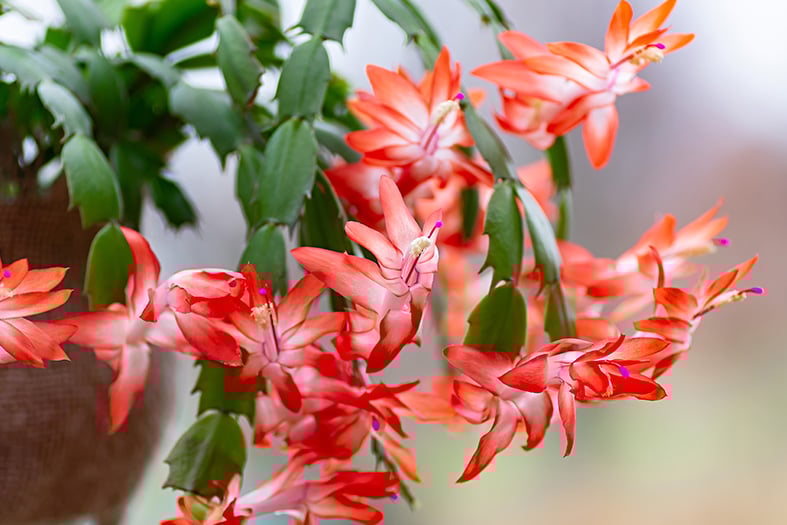
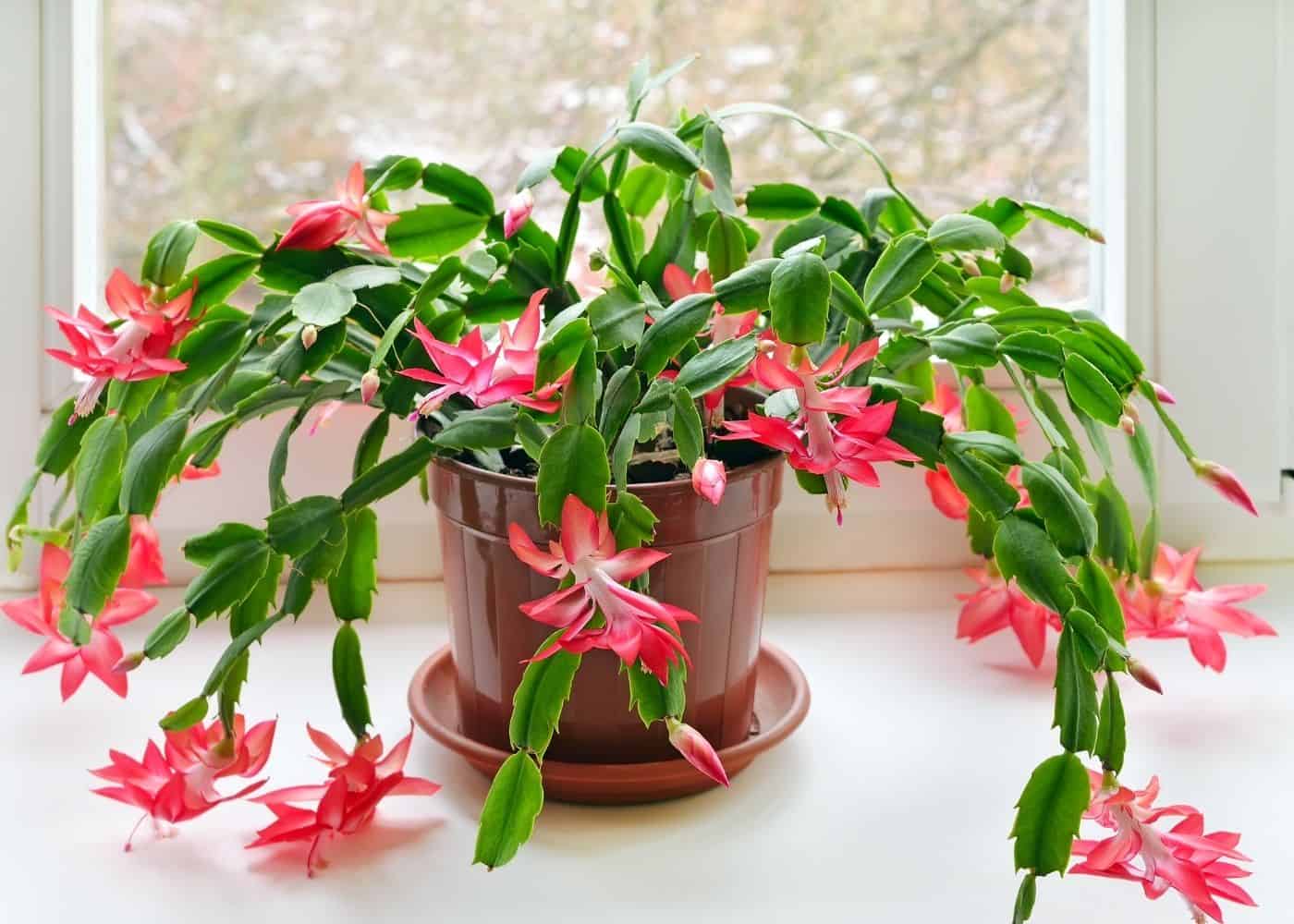
The Christmas plant cactus, scientifically known as Schlumbergera, is a captivating succulent that has become synonymous with the festive season. With its vibrant blooms and unique growth habit, this plant adds a touch of cheer and greenery to homes during the winter months. In 2024, Schlumbergera will once again take center stage as a beloved Christmas decoration. This comprehensive guide will delve into the intricacies of Christmas plant cactus care, providing all the necessary information to cultivate and enjoy these enchanting plants.
History and Origins
Schlumbergera belongs to the Cactaceae family and is native to the tropical rainforests of southeastern Brazil. Its discovery in the 1800s captivated plant enthusiasts, who were amazed by its unusual appearance and ability to bloom during the winter. The plant quickly gained popularity as a Christmas decoration, and its festive blooms earned it the common names "Christmas cactus" and "Thanksgiving cactus."
Varieties and Bloom Colors
There are several species of Schlumbergera, each with its own unique characteristics. The most common varieties include:
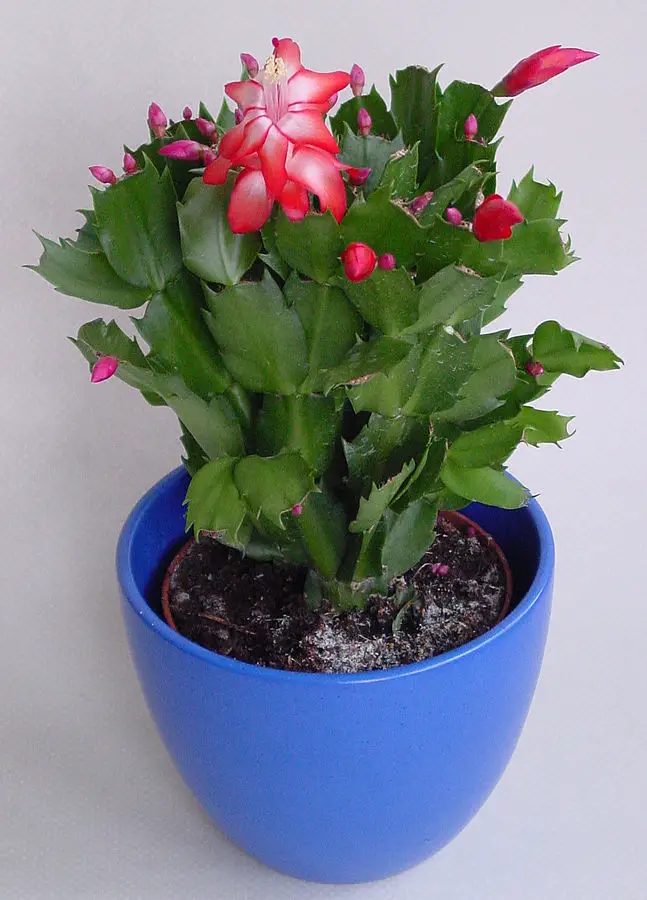
- S. truncata: This species is known for its flat, segmented stems and large, showy flowers. Blooms come in a wide range of colors, including red, pink, white, and orange.
- S. buckleyi: This variety has thinner, more delicate stems than S. truncata. Its flowers are typically smaller and more bell-shaped, with colors ranging from pink to purple.
- S. russelliana: This species is a hybrid between S. truncata and S. buckleyi. It exhibits a mix of characteristics from both parents, with flowers that are intermediate in size and shape.
Cultural Requirements
Christmas plant cacti thrive in environments that mimic their natural habitat. Here are the key cultural requirements:
Light: Schlumbergera prefers bright, indirect light. Avoid placing the plant in direct sunlight, as this can scorch the leaves.
Temperature: These plants prefer moderate temperatures between 60-75°F (16-24°C). Avoid exposing them to temperatures below 50°F (10°C) or above 85°F (29°C).
Humidity: Christmas plant cacti enjoy moderate humidity. Misting the plant regularly or placing it on a humidity tray filled with pebbles and water can help increase the humidity around the plant.
Watering: Water the plant thoroughly when the soil surface feels dry to the touch. Allow the excess water to drain from the pot before watering again. Overwatering can lead to root rot.
Fertilization: Fertilize the plant monthly during the growing season (spring and summer) with a balanced liquid fertilizer. Avoid fertilizing during the winter months when the plant is dormant.
Repotting: Repot the plant every 2-3 years or when it becomes rootbound. Use a well-draining cactus potting mix and a pot that is slightly larger than the previous one.
Care During Different Seasons
Spring and Summer: This is the active growing season for Schlumbergera. Water the plant regularly, fertilize monthly, and provide bright, indirect light.
Fall: As the days shorten, reduce watering and stop fertilizing. This will encourage the plant to set buds for blooming.
Winter: During the winter months, the plant is dormant. Water sparingly, only when the soil surface feels completely dry. Keep the plant in a cool, well-lit location.
Bloom Induction
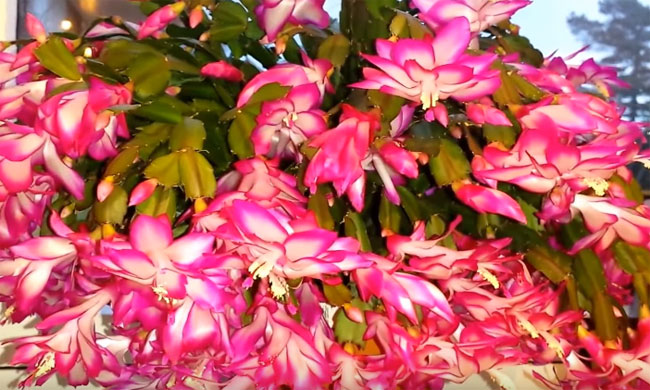
Christmas plant cacti typically bloom naturally during the winter months, triggered by shorter days and cooler temperatures. However, if you want to encourage blooming at a specific time, you can simulate these conditions by providing the plant with 12-14 hours of darkness each day for 6-8 weeks before the desired bloom time.
Common Problems
Root rot: This is caused by overwatering. Allow the soil to dry out completely between watering and ensure the pot has adequate drainage.
Bud drop: This can be caused by stress, such as sudden changes in temperature or humidity. Provide a consistent environment and avoid overwatering or underwatering.
Pests: Christmas plant cacti are susceptible to mealybugs, scale, and spider mites. Inspect the plant regularly and treat infestations promptly with an appropriate insecticide.
Conclusion
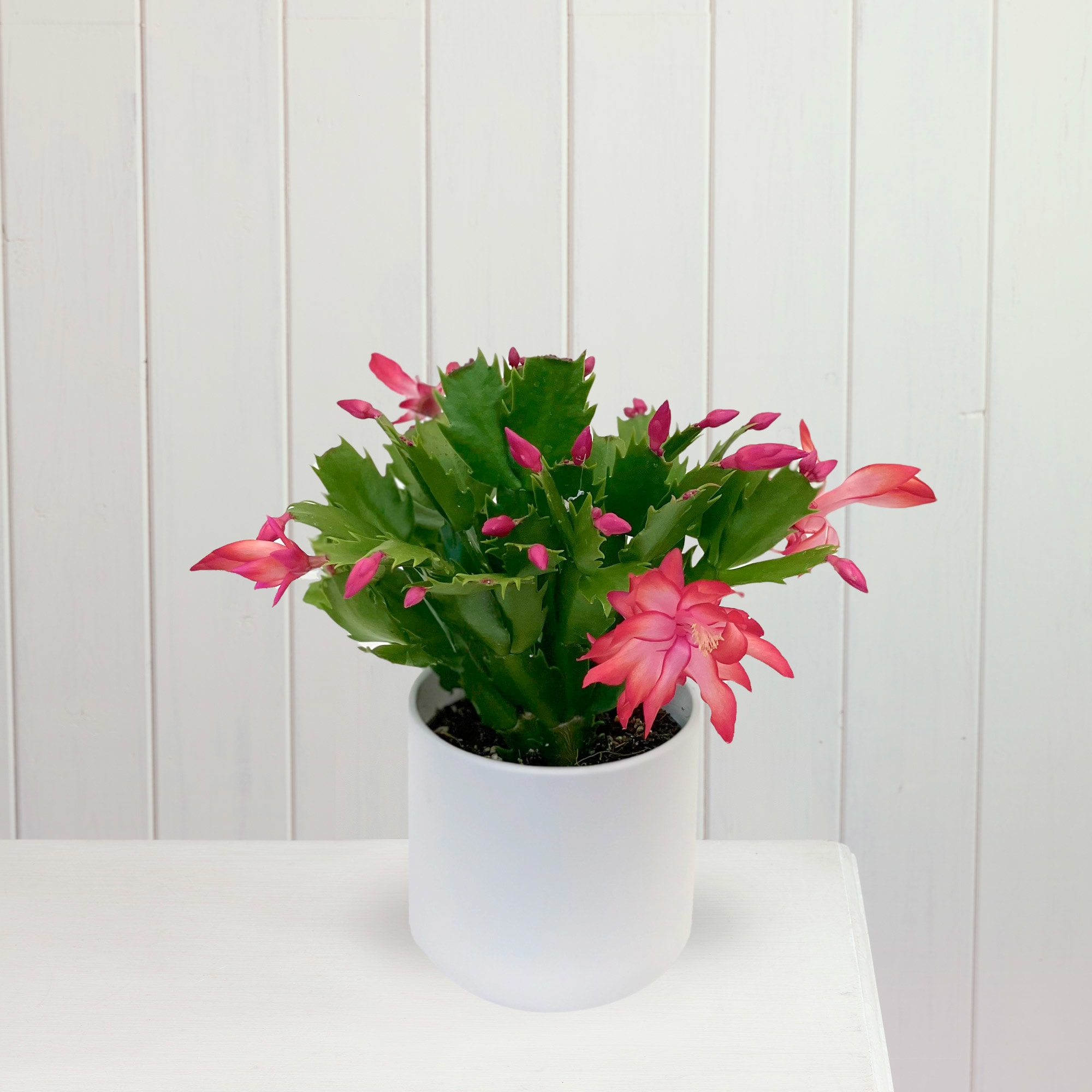
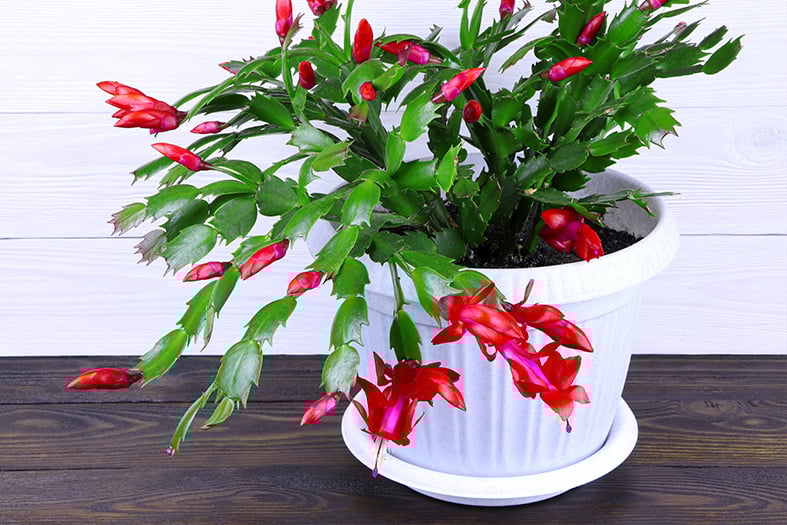
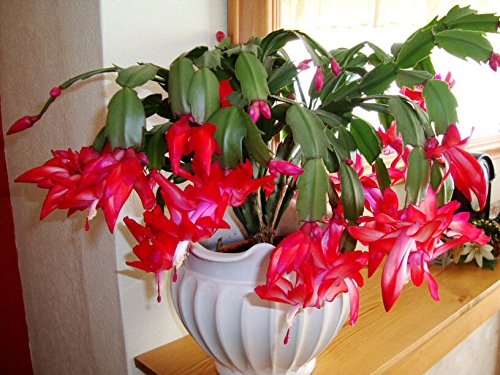
The Christmas plant cactus is a beautiful and festive addition to any home. With proper care and attention, these plants can thrive for many years, bringing joy and cheer to the holiday season. By following the guidelines outlined in this comprehensive guide, you can ensure that your Schlumbergera flourishes and becomes a cherished part of your holiday traditions.


Closure
Thus, we hope this article has provided valuable insights into Christmas Plant Cactus 2024: The Ultimate Guide to Schlumbergera. We thank you for taking the time to read this article. See you in our next article!